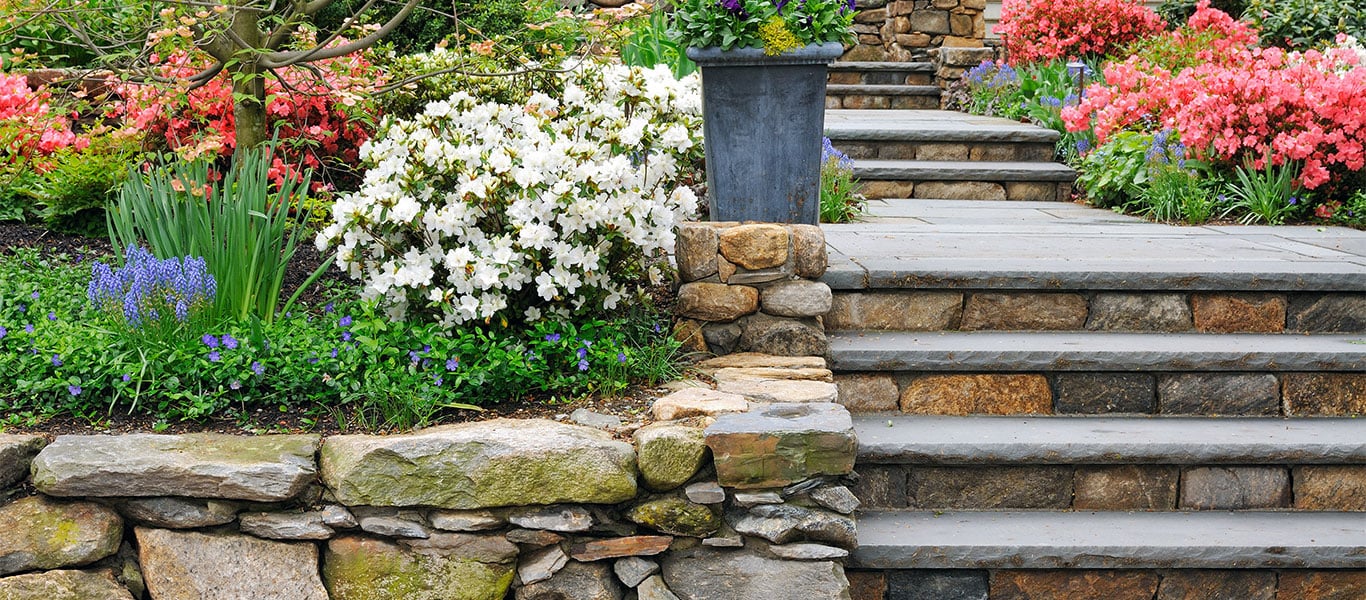
Discover the hidden costs of slope stabilization in Pittsburgh! Learn how to budget for your retaining wall project and avoid financial setbacks.
> Solid Retaining Walls: A Practical Solution for Pittsburgh's Steep Slopes
> Factors Affecting Retaining Wall Costs
> Estimating the Cost of Material and Labor
> Additional Expenses to Consider in Your Budget
> Ways to Save Money on Your Retaining Wall Project
> Hiring a Professional Vs. DIY: Cost Comparison
One major factor that affects the cost of your Pittsburgh retaining wall project is the number of walls you need to install. The more walls you require, the higher the overall cost will be.
Additionally, the complexity of the design and the size of the walls can also impact the cost. If you need multiple walls with intricate designs and larger dimensions, the expenses will naturally increase.
Another factor to consider is the type of materials used for the walls. Different materials have varying costs, with natural stone being more expensive than interlocking blocks.
Lastly, the accessibility of the project site can also affect the cost. If the site is difficult to reach or requires special equipment, it may incur additional expenses.
To get an accurate estimate for your project, it's recommended to consult with reputable retaining wall contractors in Pittsburgh who specialize in retaining wall installation and replacement services.

Solid Retaining Walls
700 Forbes Avenue Apt 218,
Pittsburgh, PA, 15219
Phone Number:
724-787-1235
Email:
solidretainingwalls@gmail.com
Website:
https://solidretainingwalls.com/
When budgeting for your Pittsburgh retaining wall project, it's important to consider additional expenses that may arise during the construction process.
These expenses can vary depending on the specific requirements of your project, but it's crucial to account for them in your budget to avoid any financial surprises.
Some common additional expenses to consider include permits and inspections, site preparation and excavation, drainage systems, backfill material, and any unforeseen repairs or modifications that may be necessary during construction.
Permits and inspections ensure that your retaining wall meets the local building codes and regulations, while site preparation and excavation ensure a solid foundation for your wall.
Drainage systems are essential to prevent water buildup behind the wall and maintain its stability. Backfill material is needed to fill the space behind the wall and provide additional support.
Ways to Save Money on Your Retaining Wall Project
To save money on your retaining walls pittsburgh pa project, consider implementing cost-effective strategies and making informed decisions throughout the construction process.
First, carefully assess the slope and soil conditions to determine the most suitable type of retaining wall and minimize the need for extensive excavation or reinforcement.
Additionally, opt for locally sourced materials to reduce transportation costs.
Consider alternative construction methods such as segmental block walls, which are cost-effective and easy to install.
Proper planning and accurate measurements can prevent material wastage and reduce expenses.
Furthermore, consider incorporating efficient drainage systems to prevent water damage and prolong the lifespan of your retaining wall.
Finally, consult with experienced contractors who can provide accurate cost estimates and offer cost-saving suggestions based on their expertise.
If you're considering a retaining wall contractor pittsburgh, it's important to weigh the cost comparison between hiring a professional and doing it yourself.
Hiring a professional for your retaining wall project can provide several advantages. Professionals have the expertise and experience to design and construct a sturdy and durable retaining wall that meets your specific needs. They also have access to specialized equipment and materials, ensuring a high-quality result. Additionally, professionals can handle permits and ensure compliance with local building codes, saving you time and potential fines.
However, hiring a professional can be more expensive upfront compared to a DIY approach. DIY projects may seem more cost-effective, but they can lead to costly mistakes and potential safety hazards if not done correctly. It's crucial to consider the long-term costs and benefits when making your decision.
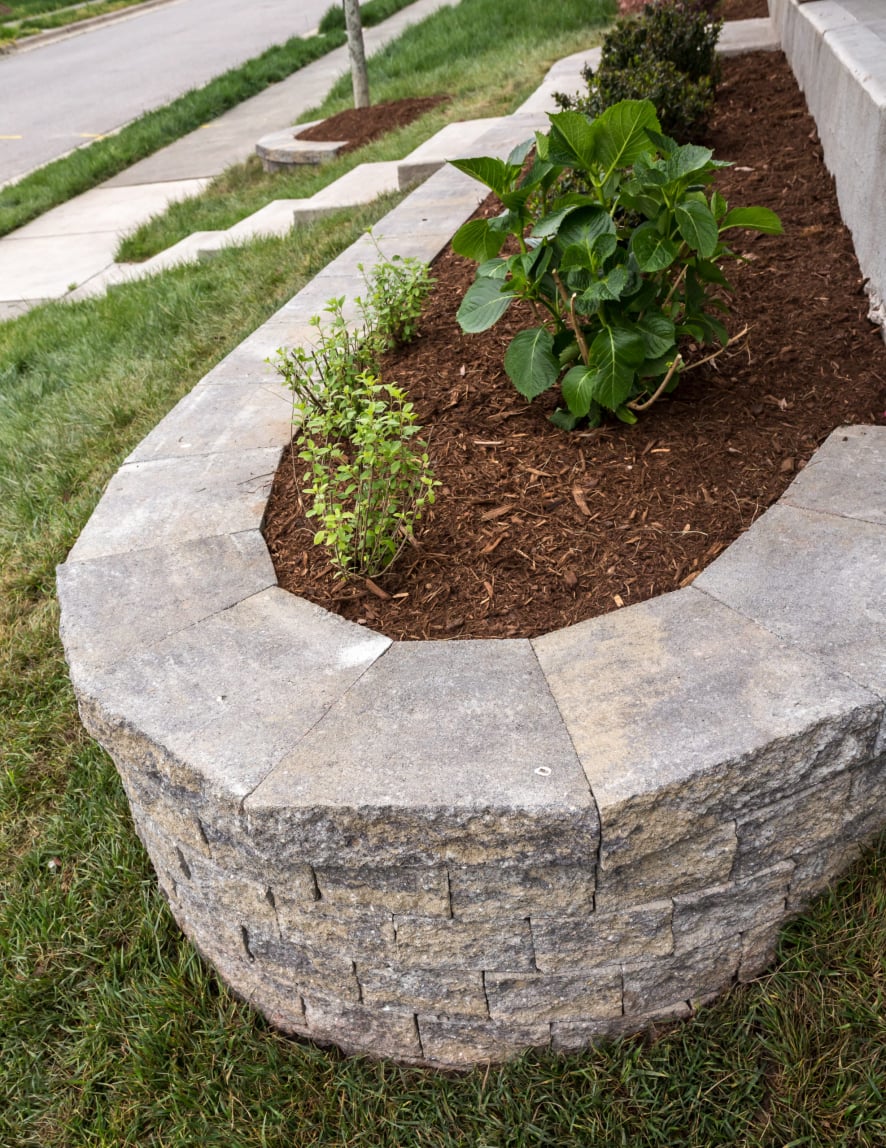
Some common issues with retaining walls include soil erosion, inadequate drainage, wall leaning or bulging, and cracks. These problems can compromise the stability and functionality of the walls, requiring prompt attention and appropriate solutions.
Innovative security features for retaining walls differ from traditional measures by incorporating advanced technology and materials. They enhance wall stability and deter unauthorized access, providing improved protection and peace of mind for property owners.
Yes, there are specific regulations and codes that must be followed when implementing security features for retaining walls. Compliance with building codes ensures safety and functionality, and professional contractors are knowledgeable and experienced in adhering to these requirements.
Security features for retaining walls can impact the overall aesthetic appeal by adding elements like decorative fencing or integrated lighting. These features blend functionality and design, enhancing the visual appeal while providing an extra layer of protection to the structure.
Innovative security features for retaining walls can be retrofitted onto existing walls. However, it is typically more effective and efficient to incorporate these features during the initial construction phase to ensure optimal performance and seamless integration.
Solid Retaining Walls
700 Forbes Avenue Apt 218,
Pittsburgh, PA, 15219
Phone Number:
724-787-1235
Email:
solidretainingwalls@gmail.com