Discover essential security best practices for implementing SIP trunking solutions. Learn how intlx Solutions helps businesses in Hingham, MA protect communications with secure UCaaS services, Avaya support, and expert managed IT solutions.
As organizations increasingly adopt cloud-based communication platforms, sip trunking solutions have emerged as a critical component of modern enterprise infrastructure. These technologies replace traditional phone lines with internet-based communication channels, allowing businesses to handle voice calls, video conferencing, and messaging over secure IP networks. For companies seeking greater flexibility and scalability, SIP trunking provides a powerful alternative to legacy telephony systems.
However, as with any internet-connected technology, security plays a crucial role in successful implementation. When organizations transition their voice infrastructure to IP-based systems, they expose communication channels to potential cyber threats such as toll fraud, call interception, and denial-of-service attacks. These risks make it essential for businesses to adopt strong security practices when deploying SIP trunking.
Organizations often partner with a trusted Managed Service Provider to implement and manage these solutions. A skilled provider can design secure architectures, monitor traffic patterns, and ensure systems remain protected against evolving cyber threats. With the right security framework in place, SIP trunking becomes not only a cost-effective communication tool but also a reliable and secure foundation for modern business collaboration.
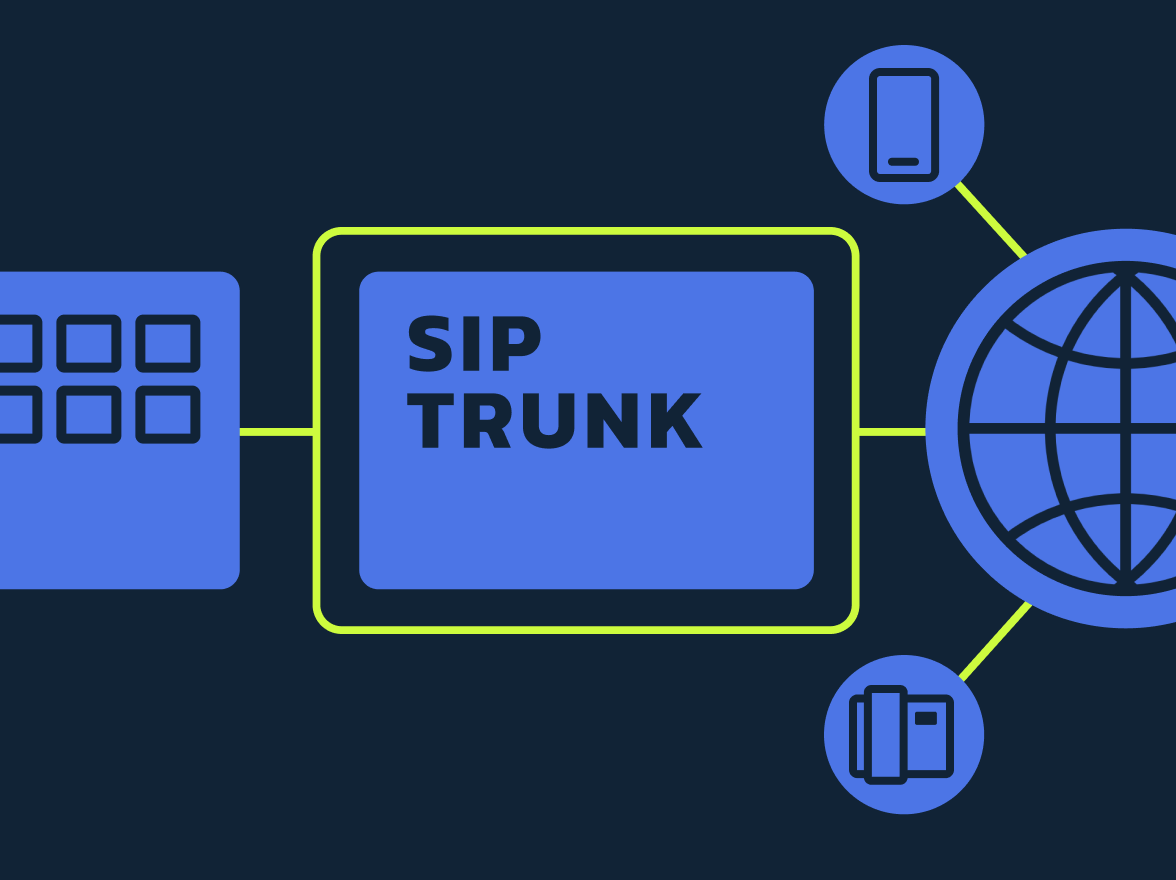
Before implementing sip trunking solutions, businesses must understand the potential vulnerabilities associated with Voice over IP (VoIP) technologies. Unlike traditional phone networks, IP-based systems rely on internet connectivity, which means they can become targets for malicious actors seeking to exploit communication channels.
One of the most common threats is toll fraud, where attackers gain unauthorized access to a company’s phone system and generate expensive international calls. This type of breach can result in significant financial losses if not detected quickly. Another major concern involves eavesdropping or interception of voice traffic, which can compromise sensitive business discussions and confidential client information.
Organizations using enterprise communication platforms such as Avaya systems must ensure their infrastructure is properly secured and monitored. Businesses frequently rely on avaya support and avaya it support services to maintain secure configurations, patch vulnerabilities, and ensure compliance with industry standards. By understanding these risks early in the deployment process, organizations can design stronger security strategies that protect both internal operations and customer interactions.
intlx Solutions
30 Pond Park Rd Unit 6
Hingham, MA 02043
United States
Phone: (781) 352-0377
Email: info@intlxsolutions.com
Website: https://www.intlxsolutions.com/
Encryption is another essential component of SIP trunking security. Without encryption, voice traffic transmitted across IP networks can potentially be intercepted or manipulated by malicious actors. Implementing secure communication protocols ensures that voice data remains protected throughout the transmission process.
Secure Real-Time Transport Protocol and Transport Layer Security are commonly used technologies that encrypt voice packets and signaling information. These encryption mechanisms safeguard conversations, protect customer data, and ensure compliance with privacy regulations. Organizations operating in regulated industries such as healthcare and finance must pay particular attention to these security standards.
Many companies implementing ucaas services rely on encryption to maintain secure communication across distributed teams. By combining unified communications platforms with strong encryption practices, businesses can ensure their voice, video, and messaging channels remain private and secure even in remote or hybrid work environments.
Even with strong security controls in place, proactive monitoring remains essential for protecting SIP infrastructure. Real-time traffic analysis allows organizations to detect suspicious activity and respond quickly to potential threats.
Advanced monitoring tools track call patterns, network usage, and authentication attempts to identify anomalies that could indicate a security breach. For example, a sudden spike in international calls outside normal business hours may signal a toll fraud attack. Early detection enables organizations to block unauthorized activity before significant damage occurs.
A Managed Service Provider can play a vital role in maintaining continuous monitoring capabilities. By outsourcing system oversight to experienced professionals, businesses gain access to advanced security tools and 24/7 threat detection. This proactive approach ensures that SIP trunking environments remain stable, secure, and resilient against emerging cyber threats.
For organizations transitioning from legacy telephony systems, secure implementation often begins with a carefully planned migration strategy. Enterprises using legacy platforms frequently require avaya migration services to move their communication infrastructure to modern IP-based environments without disrupting daily operations.
Migration projects involve complex tasks such as network assessment, infrastructure upgrades, and integration with existing enterprise applications. During this process, security must remain a top priority. Proper configuration of session border controllers, firewalls, and network policies ensures that new SIP environments are protected from the moment they go live.
Experienced providers like intlx Solutions specialize in designing secure migration pathways that align with business objectives. Their engineering teams work closely with organizations to integrate sip trunking solutions with existing communication platforms while maintaining robust security frameworks. By combining technical expertise with strategic planning, businesses can modernize their communication systems while minimizing risk.
SIP trunking solutions allow businesses to transmit voice calls and multimedia communications over the internet instead of traditional telephone lines. They connect existing phone systems to digital networks, enabling more flexible and scalable communication.
They allow companies to easily add or remove call channels as their workforce or customer demand changes. This flexibility eliminates the need for new physical lines and enables rapid scaling.
Yes. Many organizations integrate SIP trunking with Avaya infrastructure. With proper configuration and professional Avaya migration services, companies can modernize communication systems without replacing their entire platform.
While it is possible to manage internally, partnering with a Managed Service Provider ensures system reliability, security, and performance monitoring, which can significantly reduce operational burden.
Absolutely. SIP trunking often works alongside ucaas services to deliver voice connectivity within cloud-based communication platforms, enabling integrated calling, messaging, and collaboration tools.