The Artistry of Batik
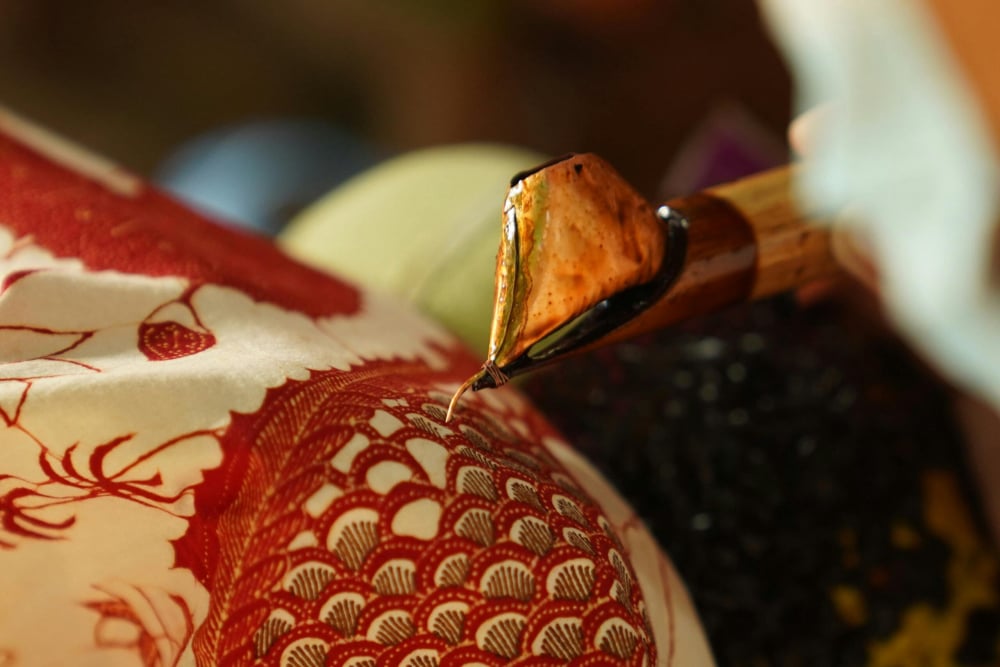
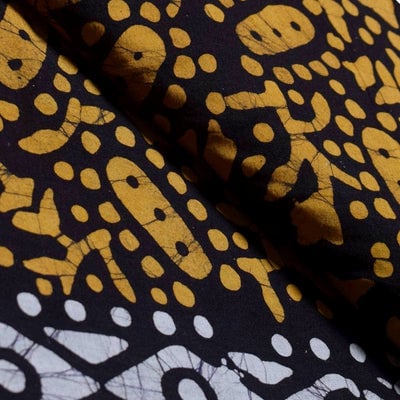
Batik is a wax-resist dyeing technique applied to fabric, resulting in vibrant patterns and colors. The process involves applying hot wax to fabric in specific patterns, dyeing the fabric, and then removing the wax to reveal the design. This method allows for the creation of detailed and intricate designs that are unique to each piece.
• Batik Tulis: Hand-drawn batik, considered the most traditional and intricate form.
• Batik Cap: Stamped batik, where patterns are applied using a copper stamp.
• Batik Lukis: Painted batik, where designs are painted directly onto the fabric.
• Batik Pesisir: Coastal batik, influenced by maritime trade and featuring lighter colors and floral patterns.
Each type reflects regional influences and historical developments in Indonesian culture.
Cultural Significance
Batik is deeply intertwined with Indonesian culture and identity. Its designs often carry symbolic meanings, representing various aspects of life, nature, and spirituality. For instance, certain motifs are used in ceremonies such as births, weddings, and funerals, symbolizing blessings, love, and respect for the deceased. The use of batik in these rituals underscores its role in expressing cultural values and beliefs.
The craft of batik has been passed down through generations, often within families, preserving
traditional techniques and knowledge. This continuity ensures that batik remains a living tradition, adapting to contemporary contexts while maintaining its cultural essence.
UNESCO Recognition
In 2009, UNESCO recognized Indonesian batik as an Intangible Cultural Heritage of Humanity. This designation acknowledges batik's exceptional cultural value and the importance of preserving such traditions for future generations. The recognition also highlights the need to safeguard the knowledge and skills associated with batik-making, ensuring that this art form continues to thrive.
The inscription on UNESCO's list emphasizes the role of batik in fostering cultural diversity and promoting mutual respect among communities. It serves as a reminder of the significance of intangible cultural heritage in shaping identities and fostering a sense of belonging.
National Batik Day
To celebrate this recognition, Indonesia observes National Batik Day on October 2nd each year. On this day, Indonesians are encouraged to wear batik, participate in cultural events, and engage in activities that promote the appreciation and preservation of batik. The day serves as a platform to raise awareness about the importance of batik and to honor the artisans who keep this tradition alive.
Batik in Contemporary Fashion
In modern times, batik has transcended traditional boundaries and found its place in contemporary fashion. Designers and brands are incorporating batik into modern apparel, creating a fusion of traditional craftsmanship and modern aesthetics. This evolution ensures that batik remains relevant in today's global fashion scene while preserving its cultural heritage.
Batik's recognition by UNESCO underscores its significance as a cultural treasure of Indonesia. Its intricate designs, rich symbolism, and deep cultural roots make it a unique and invaluable art form. As we celebrate National Batik Day and appreciate the beauty of batik, it is essential to recognize the importance of preserving such traditions for future generations. Batik is not just a fabric; it is a testament to Indonesia's rich cultural heritage and a symbol of its enduring identity.