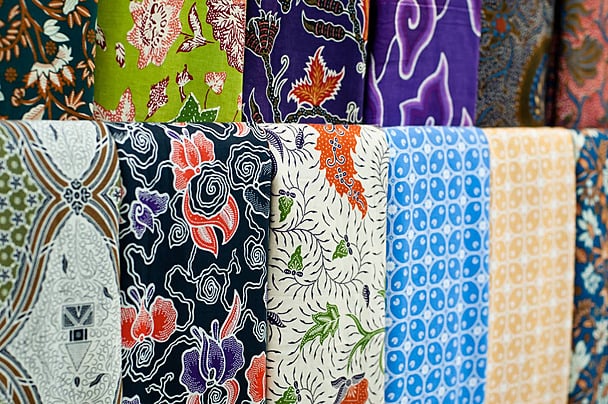
The Origins of Batik in Malaysia
The roots of batik in Malaysia trace back several centuries, though its exact origins remain a subject of academic debate. Historians suggest that the technique may have been introduced by early traders from India, China, or even the Indonesian archipelago, especially Java, where batik is an integral part of local culture. However, what sets batik Malaysia apart is how local artisans adapted and transformed the art into something uniquely Malaysian.
By the 15th century, coastal regions like Terengganu had become pivotal entry points for trade and cultural exchange. These influences sparked a localized batik movement that blended traditional Javanese techniques with Malay motifs, Islamic art, and natural themes, laying the foundation for what we now recognize as Malaysian batik.
Terengganu: The Cradle of Malaysian Batik
Terengganu holds a special place in the history of batik Malaysia. As one of the earliest Malaysian states to embrace the batik-making tradition, Terengganu developed a distinctive style centered around floral patterns, pastel tones, and hand-drawn designs.
Artisans here adopted a more simplified approach compared to the intricate detailing found in Indonesian batik. Instead of using the canting (a pen-like tool) to draw intricate lines, they often employed brush strokes and block printing to create fluid, expressive motifs. This made batik production faster and more accessible, setting the stage for its widespread popularity.
Traditional clothing stores in Malaysia, especially in the East Coast regions, still showcase Terengganu-inspired batik that highlights this unique balance of artistic depth and simplicity.
Kelantan: Batik’s Cultural Heartbeat
While Terengganu may have introduced batik to Malaysian shores, it was Kelantan that truly nurtured and celebrated its artistry. Known for its strong cultural and spiritual identity, Kelantan played a pivotal role in elevating batik from a utilitarian fabric to a revered symbol of Malay identity.
Kelantanese batik is typically more vibrant and features intricate geometric and nature-inspired patterns. The use of bold colors and symmetrical designs reflects the state’s artistic ethos and devotion to tradition. Kelantan also spearheaded the movement to incorporate batik into contemporary fashion, ensuring its relevance in modern-day wardrobes.
Today, batik clothing store Malaysia outlets proudly carry collections that reflect Kelantan’s enduring influence—garments that are as bold as they are meaningful.
The Rise of Batik Malaysia in the Modern Era
The late 20th century saw a renewed interest in traditional Malaysian arts, with batik enjoying a significant revival. Government initiatives, fashion movements, and cultural festivals helped thrust batik into the national spotlight. More importantly, this era birthed brands like Batik Malaysia, which seamlessly fused traditional techniques with contemporary designs.
Batik Malaysia offers a diverse range of products, from men’s long-sleeve shirts and women’s dresses to cheongsams, scarves, and children’s apparel. Each item is handcrafted using wax-resist dyeing methods that preserve the authenticity of the art form. Unlike mass-produced imitations, every piece retains the tactile beauty and visual richness that only hand-dyed batik can provide.
This movement didn’t just attract locals—it also caught the eye of eco-conscious global consumers looking for sustainable, ethically produced fashion. Many clothing store Malaysia chains now stock batik items, showcasing Malaysia’s heritage on both local and international shelves.
Eco-Conscious Fashion and Cultural Pride
In an era where fast fashion dominates, batik Malaysia stands out by offering garments that are not just stylish but also environmentally and culturally responsible. Artisans use premium natural fabrics like cotton and silk, combined with plant-based dyes and traditional wax techniques that reduce industrial waste.
This commitment has helped position
batik clothing store malaysia brands as pioneers in sustainable fashion. Beyond clothing, batik is now being used in home décor, accessories, and even souvenirs—turning traditional art into a lifestyle statement.
Such evolution reflects a deeper cultural pride. Wearing batik is no longer limited to formal or ceremonial events; it’s a fashionable expression of Malaysian identity embraced by the young and old alike.
The Role of the Clothing Store in Promoting Batik
As batik continues to evolve, clothing stores in Malaysia play a critical role in its dissemination. These retail spaces serve as cultural ambassadors, introducing locals and tourists alike to the intricacies of Malaysian batik. From boutique shops in urban centers to artisanal stalls in heritage towns, these stores curate collections that celebrate regional diversity and craftsmanship.
Notably, batik clothing store Malaysia outlets often collaborate with local artisans to ensure fair wages and preserve age-old techniques. Such partnerships not only sustain the art form but also empower rural communities through economic development.
For travelers and fashion enthusiasts alike, visiting a Malaysian clothing store becomes more than a shopping experience—it becomes a journey through history, culture, and creativity.
Preserving the Legacy: Batik in the 21st Century
Despite its deep roots, batik is anything but static. Today, digital technology and fashion innovation are being integrated into traditional batik production. Some artisans use digital sketches to plan motifs before hand-dyeing the final fabric, while others experiment with hybrid materials and unconventional cuts.
Yet, at its core, batik remains a labor of love. Whether it hails from the coasts of Terengganu or the cultural tapestry of Kelantan, each piece tells a story of resilience, beauty, and identity.
From the calm shores of Terengganu to the vibrant art scene of Kelantan, Malaysian batik has journeyed through time—adapting, evolving, and flourishing. Today, it finds new life through forward-thinking brands like Batik Malaysia, which champion authenticity, sustainability, and style.
Whether you're visiting a clothing store in Malaysia or browsing an online batik clothing store Malaysia collection, every garment you encounter is a testament to centuries of heritage and human artistry. By embracing batik, we don’t just wear fashion—we wear history.