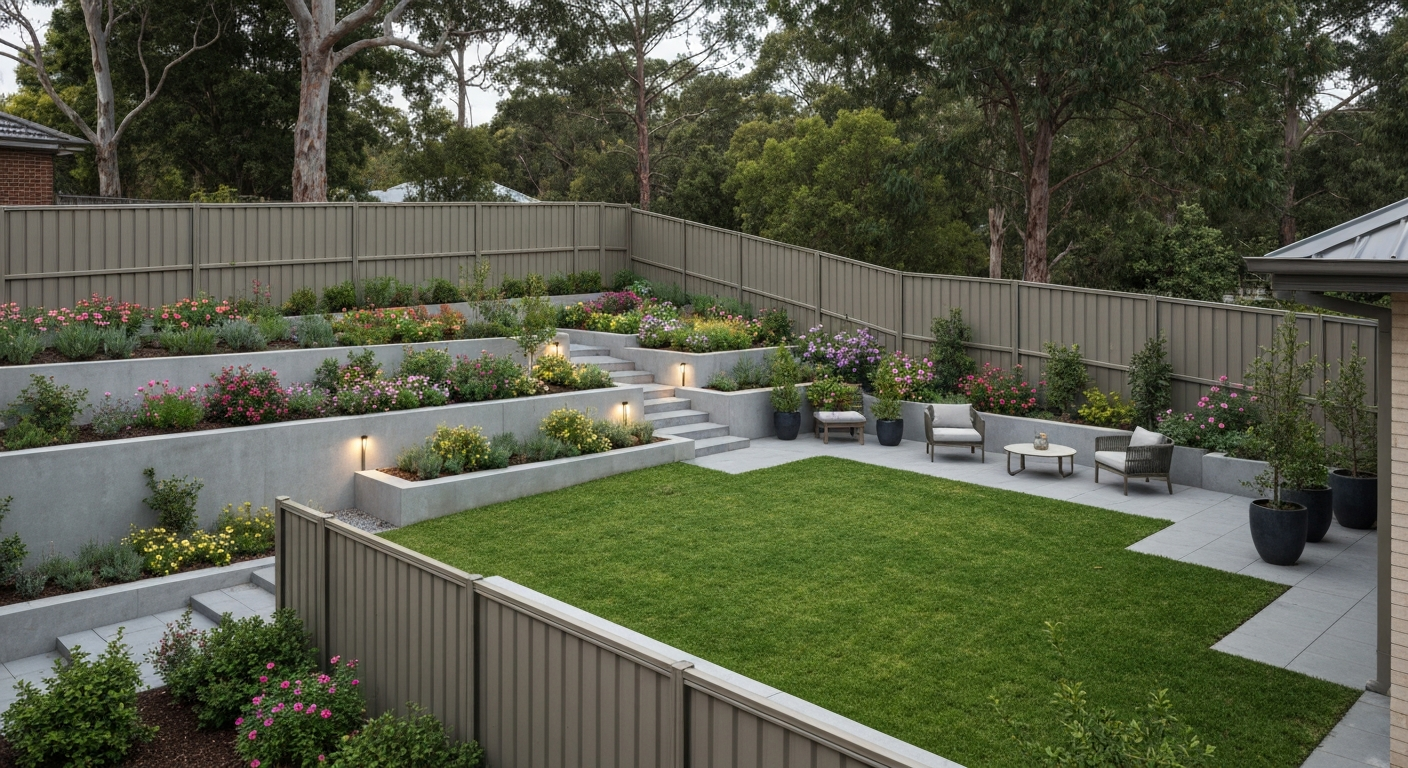
Best Fence Installers for Pet-Friendly Fencing Solutions
Pet-friendly fencing sounds simple until you’re standing in your yard at 6 a.m., watching a dog treat every gap like an invitation. A fence is supposed to do one job, keep your pet safely contained and your neighbors appropriately respectful. But when you add real animal behavior, real digging habits, and real yard conditions, that job becomes surprisingly technical.
If you’re looking for the best fence installers, the best fence contractors, or the best fence companies, you’re really shopping for judgment. The contractor who builds a pretty fence on paper might not be the one who anticipates chewing, climbing, burrowing, or the way your pet runs when the mail truck passes. The right installer thinks like both a builder and an animal trainer, then backs it up with solid materials, careful installation, and a plan for gates.
Below is how to choose great teams, what “pet-friendly” should actually include, and what to expect from good fence builders when you’re trying to keep dogs, cats, and even small critters safe.
Start with the pet behavior, not the fence style
The biggest mistake I see homeowners make is picking the fence style first. Most people picture the finish, the look, maybe privacy or curb appeal, then they decide pet-proofing later. For pets, the order should be reversed. Your fence has to match how your animal tests boundaries.
A small dog that sprints under fences needs different details than a larger dog that leans and pushes. A cat that climbs vertical surfaces needs different spacing than a dog that barrels through gaps.
Here’s a practical way to think about it:
- If your dog squeezes, mouths, or probes the fence line, you’ll care about picket spacing, frame rigidity, and access points around the gate.
- If your dog digs, you’ll care about grounding details, buried barriers, and the surface finish near the bottom.
- If your dog climbs, you’ll care about vertical continuity, top design, and whether the fence has “step points” that make climbing effortless.
- If your dog runs the perimeter, you’ll care about corners, alignment, and whether the fence truly sits tight to the ground over uneven areas.
I’ve seen the same family install two different fences for two different dogs on the same street. The fence that worked for the first dog failed for the second because the second dog’s “test behavior” was different. The installation wasn’t bad. The assumptions were.
What “pet-friendly” should include in the real world
Pet-friendly fencing is not just “the gaps are smaller.” Good pet containment is usually a combination of height, spacing, bottom sealing, gate construction, and layout decisions.
For most dogs, the bottom gap matters more than people think. If your yard has a slight slope, frost heave, settling, or a thick mulch bed near the fence line, the ground can leave a predictable route under the barrier. Even fences that look tight from the patio can have a hidden gap once the grass grows or the mulch shifts.
Gates deserve the same level of attention as fence panels. A fence can be solid, but a gate that sags even a little creates a moving “escape gap.” I’ve watched it happen in real time, a homeowner opening and closing the gate all summer, then in early fall noticing the latch no longer pulled tight. The dog didn’t learn a new trick. The hardware just stopped behaving like it did in month one.
If you have cats, pet-friendly fencing often means planning for vertical surfaces and climbing. Many cats can scale rough wood, wire, and even structural rails if the fence includes footholds. That doesn’t mean you cannot fence in cats. It means the design needs to be intentional, especially on the inside edge where cats can climb toward the top.
Choosing the best fence installers: what to look for during your first conversation
When you contact contractors, you’re not just asking about price. You’re testing how they think. The best fence installers usually ask more questions than they answer, because they’re trying to map your yard to the installation details that prevent escape routes.
A trustworthy company will want to know your pet size, behavior, and the yard conditions. They may ask about soil type, drainage, whether there are existing fences nearby, and how your property line runs through corners. They should also ask how you plan to use the yard, for example, whether you need a wide gate for a lawn tractor, whether kids will be around, or whether you’re storing items near the fence line that your pet can use to reach higher points.
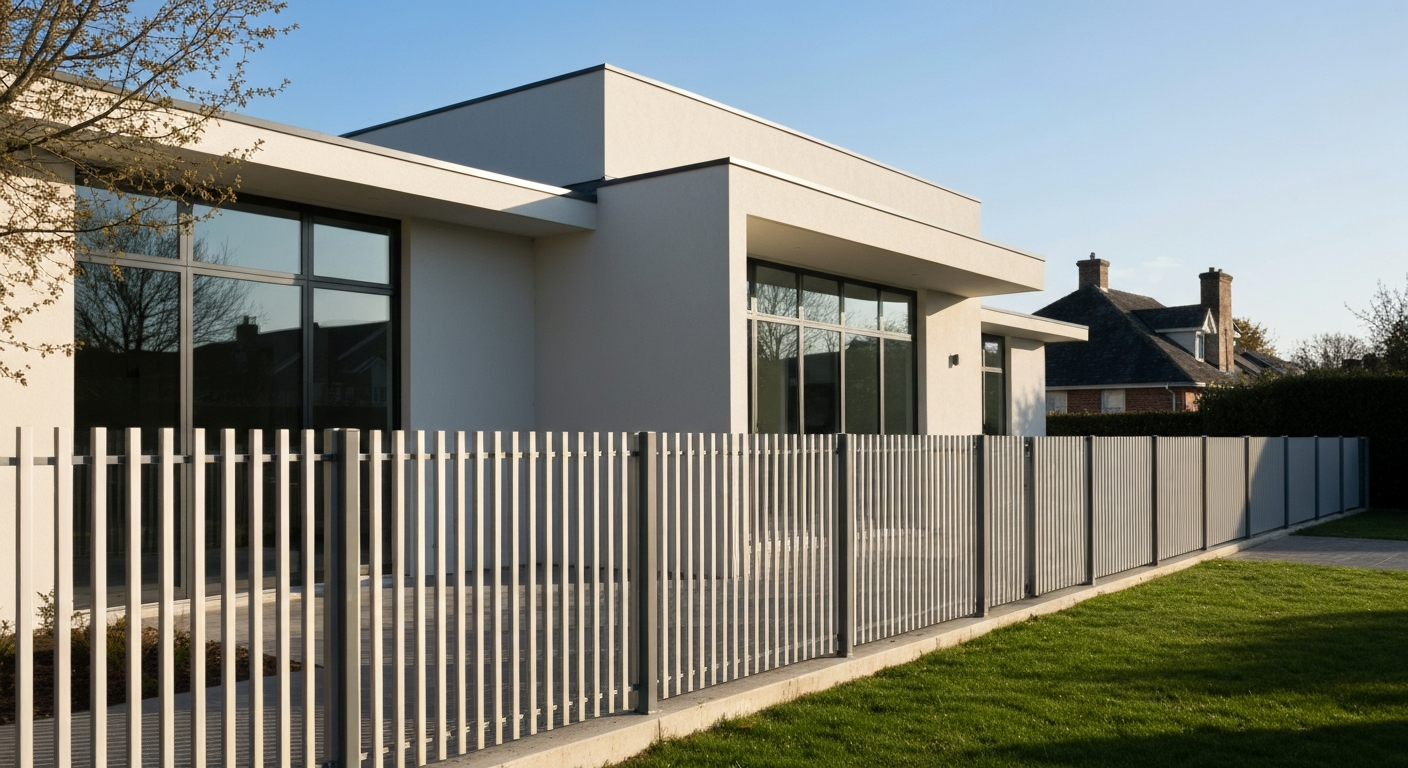
Good contractors also talk about trade-offs. Higher fences can reduce climbing attempts, but they can increase wind load and require stronger posts. Denser materials can improve privacy but can also change airflow and lead to more wind pressure on panels. Solid privacy fences can help dogs avoid visual triggers that lead to frantic barking, but they may need careful bracing and proper post setting to prevent warping.
If a contractor rushes through these questions, it’s not a deal-breaker, but it is a signal. Pet-proofing takes more than one “standard” solution.
A short list of questions that separate serious teams from “good enough”
Ask these early. You’ll learn a lot quickly, and you’ll get details you can compare across quotes.
- How do you address bottom gaps on uneven or sloped yards?
- What gate details do you recommend to prevent sag and latch drift?
- Do you plan for digging, and how deep is any grounding or barrier approach?
- For a dog like mine, what design features do you see fail most often?
- Will you walk the property with me and mark placement in the field before building?
If they answer in generalities, like “we install fences that last,” ask for specifics. If they can’t talk specifics, that often shows in the finished work.
The materials that tend to work best for pets, and where they can fall short
Fence materials have strengths, but they also have failure modes. A good installer helps you pick the material that matches your pet behavior and your yard conditions.
Wood fencing
Wood is a popular choice because it blends in and feels “stable.” For pets, wood can work well when spacing and framing reduce squeeze points and when the bottom line is sealed or otherwise protected.
Wood can also fail if the foundation work is shallow or if the fence is not properly braced. Dogs may chew at lower rails, or they may scrape up against wood if they’re anxious. Pressure-treated wood is common in fencing, and it’s built to handle outdoor conditions, but it still benefits from good installation and correct post depth.
The most common wood-related pet problem I see is gaps along posts or at the ground line after settling. That’s fixable, but the best fence contractors build with the expectation of movement. They set posts with proper stability and check alignment throughout the build, not only at the beginning.
Vinyl fencing
Vinyl offers a smoother surface that can be easier to maintain, and some pets simply don’t like the feel as much as wood. Vinyl can also look cleaner longer.
However, vinyl fencing still needs correct post spacing, appropriate bracing, and careful installation. If panels are allowed to flex without adequate support, a determined pet can put stress on weak points over time. Vinyl also responds differently to extreme weather and impacts, so the installer’s experience matters for selecting the right thickness and mounting approach.
If your yard has a lot of wind exposure, you want an installer who understands how wind load affects panel durability. A pet-friendly fence is also an install-quality fence.
Chain-link fencing
Chain-link is often recommended for pets because it’s durable and can be extended with privacy slats if you want. It’s also easier to reinforce at problem zones.
But chain-link has its own pet-proofing challenges. The open mesh can allow paws to reach through in some cases, and cats often use the structure to climb. For dogs, the key is spacing and secure bottom attachment so your pet cannot find a route under or around.
When chain-link is installed well, it can be extremely effective, especially for dogs that push or test boundaries by running the fence line. The best fence companies that do chain-link well pay attention to tensioning, post placement, and securing the base so it stays tight.
Wrought iron and aluminum
Metal fences can discourage climbing depending on design, especially if the fence shape reduces footholds. They also resist chewing better than many softer materials.
But pets still find weaknesses. A dog that can push through a weak gate or lift itself against a poorly aligned section can create trouble. Metal fence performance comes down to post stability, gate hardware quality, and how the design interfaces with uneven ground.
If you want a pet-friendly fence that is strong and visually open, metal can be a good option, but you’ll still need to handle bottom gaps and gate sealing with the same seriousness.
The details that keep pets contained: height, spacing, and bottom control
When people talk about fence height, it’s often a simple number. In reality, height interacts with how your yard sits and how your pet moves. A dog that can stand on a raised surface, like a deck step, a stacked bag of mulch, or even a sloped berm, may reach more than you think. So the question becomes, what can your pet use as a platform near the fence line?
Spacing matters too, but it’s not only about whether your pet can fit through. It’s also about whether your pet can hook a paw, mouth, or nose into an opening and then widen it by pushing or tugging.
Bottom control is where many installations fail. A fence can be the right height and have the right spacing, yet still allow a dog to squeeze under. The best installers treat the bottom line as a system, not an afterthought. That may involve grounding barriers, careful grading, adding appropriate base rails, or using top-to-bottom continuity so the fence remains aligned as soil settles.
A smart contractor should walk your yard after the gate area is roughed out and point out likely problem zones, like low spots near downspouts or areas where grass grows tall against the fence line. Those are the places pets investigate first.
Gates: the most overlooked pet-proofing feature
If you do nothing else, prioritize the gate. A pet can tolerate a small nuisance gap along fence panels if the escape route is unclear. But a gate is a moving target, and pets learn patterns fast.
Here are the things that matter:
- Gate alignment: A sagging gate creates a predictable gap. Pets love predictable gaps.
- Latch type and placement: If the latch sits too low or doesn’t pull tight, a determined pet can test it repeatedly.
- Closure reliability: Self-latching hardware or a properly tensioned mechanism can reduce human error.
- Hardware quality: Hinges, brackets, and reinforcement determine how long the gate stays square.
When you get quotes, ask whether the company uses consistent bracing at gate posts and what reinforcement they plan for hinges. A high-quality gate installation is one of those “you can feel it” details. When the gate closes smoothly and stays tight, you trust it. When it drags or needs adjustment, you can almost guarantee the dog will notice.
Digging and burrowing: designing for the behavior you don’t want to reinforce
Digging is one of the hardest issues because it can look like a landscaping problem rather than a fencing problem. But for many dogs, digging is self-rewarding. If your dog finds a successful escape or “tunnel path,” the behavior improves over time.
The best fence contractors plan for digging as a construction detail. That can include grounding barriers, burying an appropriate depth of barrier material, and building the bottom line in a way that denies entry.
One caution: no fence detail stops all digging in all conditions. A bulldozing dog can still challenge ground if there is a strong incentive and sufficient time. The best approach is to reduce success routes, then address the underlying motivation through training, enrichment, and supervision.
A good installer won’t sell you a magical guarantee. They’ll help you pick a design that makes digging difficult and keeps the rest of your yard usable.
How to compare quotes without getting tricked by vague wording
Pet-friendly fencing quotes can be confusing because contractors sometimes quote a “material list” while missing the installation details that matter for containment. Two fences can use similar materials and look similar, but one can include stronger post depth, better gate reinforcement, and more thoughtful bottom control.
When you compare quotes, you’re looking for:
- Post depth and spacing: Does the plan match your soil and weather conditions?
- Corner and gate reinforcement: Are they specifying structural support, or just “standard” framing?
- Bottom treatments: Are they addressing sloping ground and mulch beds?
- Install timeline and cleanup: If the job drags, alignment problems can show up later.
- Warranty and service: A warranty that only covers paint or surface defects isn’t the same as one that covers structural settling or hardware failures.
If a quote has a lot of “we’ll do it during installation” language, ask what that means in practice. You deserve clarity before work starts.
What to expect during a professional site visit
The most helpful visits I’ve had were the ones where the contractor actually walked the property with me and discussed patterns, not just fence placement.
They will likely check:
- how close your yard is to roads or foot traffic
- where your pet spends time, sunning spots, or favorite lookout positions
- the exact route your pet uses to test the fence line
- obstacles near the fence, like raised beds, rocks, or stacked materials
Sometimes the “best” fix is not adding more fence. It might be shifting a section to reduce sightlines that trigger anxiety, relocating a gate so your dog cannot sprint at it, or smoothing a slope where the fence loses ground contact.
A professional might also suggest temporarily blocking an area during install so the pet doesn’t wander. That might sound like a small detail, but it prevents the emergency calls that happen when an animal figures out a construction gap.
Training and supervision still matter, even with a great fence
A pet-friendly fence reduces risk, it doesn’t replace responsibility. Even the best fence installers can’t fully control every pet’s creativity.
If you bring a new dog home, I recommend treating the fence as a new boundary, not a proven one. During the first couple of weeks, watch closely. Walk the fence line periodically with your pet. Look for new digging spots, fresh scuffs along the bottom, and any spots where your pet hovers and stares for long periods. That “stare” often predicts where they’ll try next.
A fence also changes a yard’s dynamics. Some dogs become calmer when the boundary feels secure. Others become more motivated, especially if they had free access before. That doesn’t mean the fence is wrong. It means the pet needs a little time to form new expectations, plus enrichment to replace the old “escape pastime.”
If you already have escape attempts, consider a short training plan alongside the build. The fence and training work together, and you’ll see faster results.
Edge cases that deserve special attention
Every yard has odd spots, and pets exploit odd spots.
Sloped yards are one. Snow regions are another. If you deal with seasonal freeze-thaw cycles, soil can shift and create bottom gaps that weren’t there in the summer. A good installation plan anticipates this with proper post depth and a bottom barrier strategy.
Corner lots and fence intersections matter too. Corners can create tension, and tension is where alignment drifts. If your pet runs hard around corners, they might hit the fence at angles that stress panels and gates.
Also consider neighbor boundaries. Some pets don’t escape your yard through the fence, they escape through a neighbor’s open area, a shared gate, or an access point on the fence line. The best fence contractors coordinate the layout so the entire boundary is consistent, not a patchwork of mismatched sections.
How to find reputable “best fence companies” in your area without guesswork
You can find contractors online, but the quality shows up in how they communicate and how they handle details. Don’t just scroll photos. Ask for specifics, and look for signals of craftsmanship.
Here are practical ways to validate a contractor:
- Ask for photos of similar pet-focused installations, especially ones with gates and bottom control details.
- Request references you can contact, ideally homeowners with dogs of similar size and behavior.
- Verify that they discuss site-specific challenges rather than offering a one-size-fits-all package.
- Check how they handle permits and property line questions, if those apply where you live.
- Make sure their crew understands that pets need controlled access during installation.
If you hear consistent attention to gate hardware, bottom gaps, and fence line alignment, that’s a good sign. If you hear mostly about aesthetics and speed, it might still be okay, but it’s not the safest bet for pet containment.
A quick pet-safety checklist to bring to your estimate
When you’re ready to finalize a design, use this as a way to confirm the plan aligns with your actual concerns.
- Are all bottom gaps addressed for your yard’s slope, mulch depth, and settling risk?
- Will the gate hardware prevent sag over time, and is the latch placement appropriate for your pet?
- Does the design reduce climbing footholds if you have a cat or a tall-reaching dog?
- Is there a realistic plan for digging prevention at fence lines and corners?
- Are you clear on where any temporary construction blocking will happen so your pet stays secure?
If a contractor can’t or won’t answer these clearly, that’s information.
The trade-offs you should expect to decide on
Pet-friendly fencing is full of trade-offs, and making them early helps you avoid frustration later.
Privacy versus openness is one. Solid panels can reduce visual triggers and barking, but they can also catch more wind, and they need solid bracing. Open designs can reduce wind resistance and keep air moving, but they might not provide enough psychological calm for some anxious pets.
Durability versus comfort is another. A super-tough design might be rougher where your pet leans. Some pets prefer smoother surfaces. If your dog likes to rest against the fence line, a material choice that feels “less abrasive” can reduce wear and chewing at the edges.
Cost versus containment detail is the big one. The most budget-friendly option is rarely the most pet-proof. Not because expensive fences magically work better, but because detailed installations cost more in labor, hardware, and time. A solid gate foundation, deeper post setting, careful bottom sealing, and reinforcement at stress points add cost. If your pet has already escaped before, it’s usually worth spending for the details that stop escape routes instead of only buying the fence height.
A realistic timeline and how to avoid the most common mistakes
Fence projects can move fast, but pet-proofing details can’t be rushed. A contractor who insists on cutting corners to meet a timeline may produce a fence that looks fine at day one and loosens its performance later.
Watch for these early warning signs:
- Posts set quickly without discussing depth or soil conditions.
- Gates installed without careful alignment checks at multiple points.
- Materials arriving before measurements and layout are locked in.
- Bottom sealing treated like a final cleanup task rather than part of the design.
Also, coordinate your yard access. During installation, pets can find gaps fast. Even if you trust your animal, a fence crew is a chaos environment. You don’t want your pet learning that “construction equals an escape opportunity.”
What success feels like after installation
A pet-friendly fence that’s properly installed feels quiet. You don’t spend your evenings scanning for gaps. You don’t rush outside when the dog barks at something on the other side, because the fence line is stable and the pet is contained. Gates close without you having to lift or re-seat them. The bottom line remains consistent instead of opening as mulch and soil settle.
You might still need training, especially at first. But the fence should remove the easy exits. That’s the point where your dog stops testing the boundary as intensely.
When homeowners tell me they “trust the fence now,” it usually means the installation solved the exact behaviors their pet used. That’s what sets the best fence installers apart. They don’t just build a boundary, they build an effective one for the animal that lives in your house.
Picking your contractor with confidence
If you’re searching for best fence installers, best fence contractors, or best fence companies, aim your decision process around specifics. Ask about bottom gaps, gate reinforcement, digging control, and how they handle uneven yards. Compare quotes based on installation details, not only the fence style. Plan for your pet’s behavior, not just your aesthetic preferences.
When you choose a team that treats pet-proofing like a construction discipline, your fence becomes more than a project. It becomes a safer everyday boundary, one that holds up when the yard changes, when the seasons shift, and when your pet gets bored enough to test the world.
If you want, tell me your pet type (dog or cat), approximate weight, and whether you’ve seen digging, climbing, or jumping attempts. I can suggest the most chain link fence installers important design priorities to discuss with installers for your specific situation.