
Nang Cylinders vs Nang Canisters: Key Differences Explained
The line between nang cylinders, nang canisters, nang tanks, and nang bottles can blur swiftly in discussion, yet those tags point to real distinctions that matter in a working kitchen area or a premium alcoholic drink bar. I have relocated through adequate pastry pass after midnight and coordinated sufficient high‑volume solutions to learn where each format radiates, where it stumbles, and just how to make wise selections without jeopardizing top quality, safety, or pace.
At heart we are discussing food‑grade laughing gas, the propellant and dissolving gas made use of in lotion siphons, espumas, and fast mixtures. The gas coincides. What modifications is the package, the fittings, the economics, the operations, and the impact on your bench. If you are furnishing a boutique treat studio, a fast‑moving wedding catering group, or a five‑seat omakase bar that cares deeply concerning appearance, those details determine whether solution feels uncomplicated or jittery.
What individuals indicate by canisters, cyndrical tubes, storage tanks, and bottles
Colloquial speech does not always match producers' directories, so it aids to secure the vocabulary:
- In most kitchen areas, nang canisters are the small, single‑use steel battery chargers holding about 8 grams of laughing gas. Each has to do with the size of a thumb, secured at one end, and designed to be punctured by the head of a cream siphon.
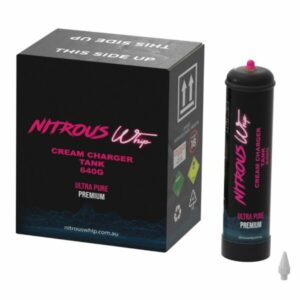
- Nang cyndrical tubes, often called nang tanks or nang bottles, are bigger refill vessels that hold from a few hundred grams to several kgs of gas. They use a shutoff and a stress regulatory authority to decant gauged gas into siphons.
Those 2 households exist together. The smaller sized cylinders focus on simpleness and portability, the bigger cylinders stress effectiveness and cost per gram. They overlap in top quality of outcome if you established them up properly, however they deviate in logistics. The day you start servicing 120 tiramisu pots, 40 siphon‑charged sauces, and 2 foams on entertain bouche, you will certainly feel the difference in your wrist, your container, and your budget.
Capacity forms workflow greater than any various other factor
A solitary 8‑gram canister usually charges a half‑liter siphon when, which is exactly what numerous home chefs or low‑volume bread terminals want. Break in the holder, twist till you listen to the hiss, shake well, and you are layering. The unit initiative is little. There is minimal planning, and the waste is convenient if you do it occasionally.
Move that exact same routine into a busy Friday and you satisfy its limits. A 1‑liter siphon frequently needs two 8‑gram containers for optimal body with high‑fat lotion. You might run through a lots chargers throughout service, each time unscrewing and disposing of a spent shell, refilling the owner, and checking the seal. The rate slows down and the stainless bench appears like an arm band manufacturing facility by 10 p.m.
A nang cyndrical tube changes the tempo. With a regulatory authority and tube fitted to a dispenser head, you decant gas on demand. A mid‑size cylinder in the 500 to 650 gram range can bill dozens of half‑liter siphons prior to it is empty. On a tasting‑menu evening we have run a whole solution, plus next‑day prep, without a cyndrical tube swap. The only time out is a regulated spin of the regulator handle and a quick check of the scale. No rattling box of little canisters, no consistent rethreading, no micro‑breaks that pull interest from plating.
There is no freebie. The cyndrical tube requires a safe, upright setting, and you need to handle a regulator with regard. In a narrow galley you feel its visibility. In a correct pastry room, the gains surpass the footprint.
Pressure, pureness, and efficiency in the glass or on the plate
The gas in nang canisters and nang cylinders is the same particle, laughing gas, and reputable suppliers bottle food‑grade product with high pureness. Most quality labels publish a minimum pureness in the 99.9 percent range, with dampness and oil limits that safeguard both the siphon and the flavor. Buy from brands that record food get in touch with conformity and batch traceability. Inexpensive gas from unidentified resources sometimes brings off‑notes or contaminants that show up in fragile lotions and cold foams.
Pressure is where physics becomes technique. Nitrous oxide is saved as a melted gas. At room temperature the vapor stress inside either a tiny cylinder or a huge cylinder is high, and it increases with temperature level. A regulator on a cyndrical tube subjugates that stress into a repeatable decant, which makes it much easier to call in appearance. Without a regulatory authority, each 8‑gram cylinder dumps its complete fee the moment the siphon head punctures it. The complete gas mass is right, yet the distribution is binary instead of metered.
In a polished setting the distinction checks out as feel as opposed to flavor. With a regulator you can make small, consistent modifications based upon the fat content of the cream, the temperature of the siphon, and the age of the mix. A chilly 35 percent lotion that was mixed 2 hours ago behaves in different ways than a 38 percent lotion that rested over night with sugar and vanilla. Having the ability to add a murmur a lot more gas after an examination shot conserves trays throughout a rush and stays clear of the grainy crack that originates from over‑aeration.
Materials, installations, and compatibility
Small nang canisters are generally steel coverings with a lacquered interior to protect against rust. They have a standard form, and a lot of well-known cream siphons approve them straight with a threaded owner. That uniformity is the cylinder's beauty. If you can operate a soda bottle, you can figure it out.
Nang cylinders utilize a valve and call for a regulatory authority designed for food‑grade laughing gas. There is no solitary global string for every brand and region, so you get the regulatory authority that matches the cylinder type, then connect to your siphon with a suitable billing tube or adapter. Excellent regulatory authorities include a scale, a shutoff, and an alleviation function. In my cooking area, any person who touches the regulatory authority gets a brief briefing and approve a basic check procedure. It takes all of five mins to discover, and you just need to do it once.
If you are moving between locations, rentals, or supplier programs, store your adapters, washers, and battery charger nozzles in a specialized pouch inside the cylinder crate. Many incidents throughout a pop‑up event come from missing out on a two‑euro gasket.
Safety that values both the room and the law
Nitrous oxide is a tool. Dealt with correctly it is risk-free to work with in culinary contexts, and it has held that place for decades. The risks get here when the gas is misused or when fundamental handling standards are neglected. You require to:
- Use food‑grade equipment, maintain cylinders upright and protected, and stay clear of warmth resources. High temperature enhances pressure. Safeguarding also a little cyndrical tube is as basic as a band or a stand.
- Ventilate. Discharging gas in a tight, close room displaces oxygen temporarily. In a regular kitchen with extractor fans this is not a problem, yet if you are checking in a small cold room or van, fracture a door.
- Wear handwear covers when transforming battery chargers or hose pipes. Leaving gas is cool, and frostbite is a genuine risk on skin.
- Respect local policies. Jurisdictions manage sale, ownership, and planned use of laughing gas differently. Some impose age limits or restrict retail packaging. If you run a service, placed a conformity note in your opening checklist and stay with cooking use.
Those points might seem official, yet they become instinctive. The minute a junior cook watches frost form on a steel installation, the message lands. That awareness belongs to running a luxe operation, the kind where style and technique share the exact same breath.
Cost and sustainability, with straightforward numbers
If you get 8‑gram nang canisters in little sleeves for occasional treats, the unit rate will feel negligible. In a lot of markets you can anticipate a per‑canister rate within a broad band, commonly between the expense of a great coffee and a simple bread. In volume, that cost drops, but it seldom wins against cyndrical tubes on a per‑gram basis.
A mid‑size nang cyndrical tube having approximately 580 to 640 grams of gas typically lands at a lower expense per gram, especially through swap programs. Bigger cylinders, gauged in kgs, push the per‑gram cost down even more, though they call for more storage space and an extra deliberate safety and security posture. Every provider has a various matrix of deposit, leasing, and re-fill pricing, so run your very own mathematics with your actual food selection. I build a straightforward sheet: expected siphons per solution, grams of gas per siphon by recipe, then contrast price weekly across styles. Patterns appear quickly.
Waste matters also. Little nang canisters are solitary usage. They are steel and practically recyclable once totally empty, yet not every solution staff has the transmission capacity to take care of that waste stream appropriately throughout a rush. Cyndrical tubes change the equation. Several are refillable through exchange programs, which lowers waste quantity and simplifies compliance. If sustainability is a pillar of your brand name, cyndrical tubes help inform a meaningful story.
Texture, temperature level, and technique
The love of a siphon beings in the structure it produces. No quantity of stainless-steel movie theater makes up for a foam that collapses or a lotion that cries. Right here the gas resource is less important than technique, but layout affects just how continually you can execute.
Temperature control remains the first principle. A cold siphon creates tighter bubbles and a finer mousse. For whipped lotion I chill the cylinder, the liquid, and the pointer. For warm foams improved gelatin, agar, or xanthan, the border in between silk and suds is thinner, and the regulatory authority on a nang cylinder gives you another dial to maintain results sophisticated. I learned to draw a tiny examination line on a saucer as quickly as a siphon is billed. If the bow breaks early, include a brief pulse of gas, tremble eight to 10 purposeful times, and test again.
Gas mass is the 2nd bar. Many recipes carry out best below the maximum possible charge. Whipping cream can carry a charitable load of nitrous oxide, yet that does not suggest it should. With little nang canisters, you control gas mass by utilizing one battery charger or two. With a cyndrical tube you can creep up on the target with more subtlety, which saves you from the milky mouthfeel that appears when you over‑gas a lower‑fat milk or a fruit espuma.
Finally, resting time adjustments whatever. A fresh charge has coarse energy. Offer the siphon a couple of minutes in the fridge and the gas liquifies a lot more evenly. The distinction is visible on home plate, where the rosette stands taller with cleaner meaning, and it tastes even more refined.
How solution quantity and food selection layout guide your choice
If you run a loads seats and garnish a handful of treats with cream each evening, tiny nang canisters keep life simple. They do not inhabit flooring space, you need no regulatory authority, and your staff already recognizes them. Supply a few sleeves, maintain gaskets fresh, and you are done.
Increase the number of siphons in play and the cyndrical tube starts to earn its impact. A small mid‑size cylinder next to a pastry bench suggests nobody stops to unscrew owners. If you have 2 or three siphons in turning, the rhythm comes to be peaceful. In a mixed drink program where explanation and fat washing are daily regimen, cyndrical tubes shorten prep windows and temper active hours.
There are edge situations. For off‑site wedding catering in a heritage place up three trips of stairs, I divided the difference. We bring a small cyndrical tube for the major preparation station and a handful of containers as insurance. Power goes out, a regulator gasket rips, or the packing dock is a labyrinth, and those little battery chargers save a night. Redundancy is not a luxury, it is hospitality.
A quick side‑by‑side snapshot
- Size and ability: cylinders hold concerning 8 grams each, cyndrical tubes range from a few hundred grams to numerous kilograms.
- Setup and installations: cylinders use a threaded owner on the siphon, cylinders need a compatible food‑grade regulatory authority and hose.
- Workflow: containers are straightforward for low quantities, cylinders accelerate high‑volume service with metered charging.
- Cost and waste: canisters are hassle-free however create even more single‑use waste, cyndrical tubes normally decrease per‑gram price and assistance exchange or replenish programs.
- Control: containers deliver a fixed cost, cyndrical tubes let you dial in appearance with little adjustments.
What quality resembles in the glass
A well‑charged siphon offers a discharge that is smooth, with a satiny shine, free from spitting or watery hemorrhage. With dairy products, you desire tiny bubbles that carry taste without the feeling of suds. With fruit or vegetable purées established with stabilizers, the foam should sit on the spoon for a beat, after that melt. In cocktails, a nitrous‑charged cream cap need to fuse right into the drink by the third sip without leaving a crater.
I keep a couple of criteria. A vanilla chantilly piped at 4 p.m. Ought to look similar at 10 p.m. On an awesome pass. A parmesan espuma ought to rest atop a risotto for at the very least a minute prior to giving up right into silk. If you hit those marks continually with containers, you have your system. If you miss them during volume spikes, the control of a cyndrical tube plus regulator shuts the gap.
The feel of service when points go wrong
Click here to find out moreTrouble seldom reveals itself politely. The most common misstep with tiny nang canisters is a partial discharge due to a worn out puncturing pin or a misaligned owner. You hear a hiss, but the siphon is under‑charged. In the middle of a set you are attracted to load a 2nd battery charger to compensate, then over‑correct. Regular upkeep aids. Change the head gasket on a cycle. Examine the pin. Keep threads clean.
Cylinders have their very own script. A regulatory authority with a sticky needle can create irregular output. The solution is straightforward, and usually includes either a new regulatory authority or a solution kit, both of which reputable vendors can provide. Shop regulators completely dry and capped, and do not ignore the little bag of spare washing machines that can be found in the box. If a pipe quick‑connect ever before really feels loosened, stop and reseat it. Deal with the system with the same regard you offer a carbon dioxide configuration on a draft line.
Sourcing and brand considerations
In the luxury tier, you are purchasing greater than gas. You are acquiring reliability, documentation, and support. Great vendors publish pureness specs, food call qualifications, and batch numbers on packaging. They answer the phone. They stock replacement regulatory authorities and pipes. They supply cylinder swaps with clear dates and seals that have actually not been damaged. If a supplier stops at fundamental documentation, change suppliers.
For cylinders, uniformity issues. We have tested different brand names alongside and discovered small variants in discharge feeling and deposit on the puncturing pin over time. The distinctions are small, but small is what we sell when we care about texture. Pick a brand that runs tidy in your siphons and adhere to it.
Caring for equipment that pays you back every service
Between solutions, break down siphon heads, rinse, and completely dry completely. Keep the injector nozzle and the gasket seats beautiful. Replace head gaskets and valve springs on a schedule as opposed to waiting on failing. Stainless looks eternal, yet silicone obtains tired.
For cylinders and regulators, dust caps are not decoration. Cap whatever. Store upright, secured, and out of warm. Examine pipes for micro‑cracks on a monthly basis if you operate daily. A five‑minute examination at team instruction, as soon as a week, pays for itself the very first time it avoids an agitated look for a leak.
When the option turns either way
There is a factor where either format will serve you well. If your group is little and your offerings are steady, sticking with nang canisters maintains simpleness. If your food selection shifts usually, you organize pop‑ups, or you run enthusiastic pre‑desserts, cylinders give you a margin of control that audiences feel even if they can not call it.
I keep in mind the very first time we swapped from little chargers to a mid‑size nang container on a seven‑course treat tasting. Course 3 was a goat's yogurt espuma with honey vinegar. The opening nights, using containers, we were great yet jittery. Appearance varied with the speed of the line. Once we set up the cyndrical tube with a gentle regulator, every plate appeared like it originated from a picture shoot. Same dish, very same hands, better control. We quit thinking about gas and began thinking of guests again.
A concise acquiring list for a polished setup
- Volume: estimate siphons per service and grams of gas per siphon, after that pick a style that leaves headroom.
- Compatibility: match cylinders to a food‑grade regulator that fits, and confirm tube fittings with your siphons.
- Purity and documentation: acquire food‑grade gas with mentioned purity and traceability from a receptive supplier.
- Space and security: prepare an upright, safeguarded area for cylinders far from warmth, and train personnel on regulatory authority basics.
- Waste strategy: if using cylinders, established a simple, trusted recycling regimen; if making use of cylinders, prepare a swap program.
The silent deluxe of getting it right
Luxury in a kitchen area is not loud. It is the self-confidence that the chantilly will land precisely as intended, solution after service, that the foam on a chilly corn soup tastes like summertime silk, which your brigade is never clambering for a battery charger in the middle of a turn. Nang canisters and nang cylinders both have a place in that image. The little battery chargers provide you nimble comfort for intimate volumes. The larger nang tanks or nang bottles provide control and economic situation for specialists that plate beauty at scale.
Choose with clear eyes. Regard the gas. Preserve the gear. When you do, the distinction shows up where it counts, on the spoon, on the taste buds, and in the calm elegance of a service that really feels effortless to your guests. That is the standard worth purchasing for.