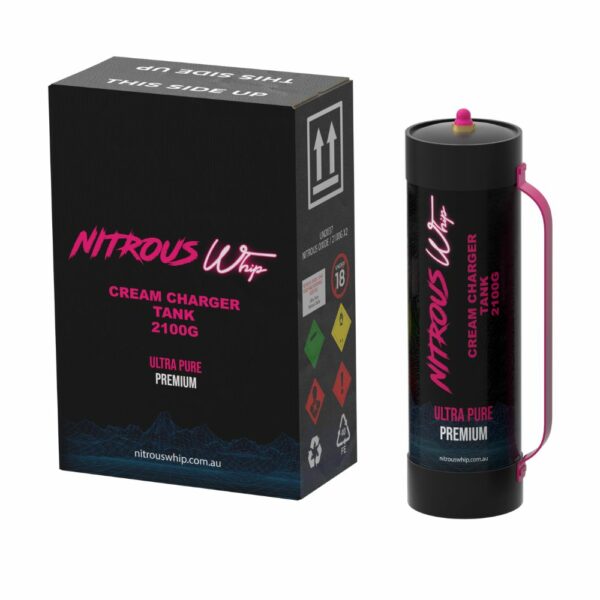
Nitrous Oxide Tanks and Their Impact on Molecular Gastronomy
Introduction
In the world of cooking arts, development and creativity are the foundations of progression. One such revolutionary idea that has actually transformed contemporary food is molecular gastronomy. This discipline marries food science with cooking artistry, permitting chefs to check out new textures, flavors, and presentations. Central to this avant-garde movement is nitrous oxide (N2O), a gas that plays an important function in techniques used by chefs around the world. This article will delve into Nitrous Oxide Tanks and Their Impact on Molecular Gastronomy, exploring how numerous kinds of nitrous oxide, including Nang tanks, cream chargers, and more, contribute to this exciting culinary trend.
Understanding Nitrous Oxide Tanks
What Are Nitrous Oxide Tanks?
Nitrous oxide tanks, commonly described as N2O tanks or nang tanks, are specialized containers developed to store nitrous oxide gas under pressure. These tanks are necessary for various applications in both professional kitchen areas and Nang Robot at home. They are available in numerous types consisting of cream charger cylinders, nang bottles, and larger nitrous cylinders.
The Chemistry Behind Nitrous Oxide
Nitrous oxide is a colorless gas with a slightly sweet smell and taste. It is frequently referred to as laughing gas due to its euphoric effects when breathed in. Chemically speaking, it includes 2 nitrogen atoms bonded to one oxygen atom (N2O). This distinct structure allows it to serve several functions in cooking, from creating whipped creams to boosting flavor extraction.
Varieties of Nitrous Oxide Tanks
1. Cream Battery Charger Cylinders
Cream charger cylinders are little canisters filled with nitrous oxide utilized primarily for whipping cream. They are available in different sizes but usually contain 8 grams of N2O.
2. Nang Tanks
These larger tanks are popular amongst professional chefs who require bulk supplies of nitrous oxide for comprehensive cooking area operations.
3. N2O Canisters
N2O canisters are similar to cream battery chargers however can be utilized for various applications beyond just whipping cream.

4. Nitrous Cylinders
Often used in business settings, these larger cylinders hold more gas and are best for high-volume needs.
How Do Nitrous Oxide Tanks Work?
When utilizing a cream battery charger or nang tank, the process starts by placing the container into a whipping siphon. As you push the nozzle or lever, the pressure within the siphon causes the nitrous oxide to combine with liquid active ingredients-- normally heavy cream-- developing a foamy texture that can be given easily.
Molecular Gastronomy: An Overview
What Is Molecular Gastronomy?
Molecular gastronomy is not simply a cooking style; it's a clinical approach to cooking arts that investigates the physical and chemical changes that take place throughout cooking processes.
Key Strategies in Molecular Gastronomy
- Spherification: Developing edible spheres filled with liquid.
- Foaming: Utilizing nitrous oxide tanks to create airy foams.
- Gelification: Changing liquids into gel-like substances.
Nitrous Oxide's Role in Molecular Gastronomy
Why Usage Nitrous Oxide?
Nitrous oxide acts as a versatile tool in molecular gastronomy due to its ability to liquify quickly into liquids under pressure and expand rapidly upon release. This special property enables chefs to develop light textures and enhance flavors in ingenious ways.
Creating Airy Foams with N2O Nang Tanks
One of the most popular applications of nitrous oxide in molecular gastronomy is creating foams utilizing Nang tanks or cream battery chargers. The incorporation of air improves both taste perception and mouthfeel.
The Science Behind Whipped Cream Production
How Does Nitrogen Impact Cream?
When heavy cream is charged with N2O from a cream charger cylinder or nang tank, it undergoes several changes:
Common Errors When Using Cream Chargers
- Overfilling: Constantly adhere to producer guidelines relating to volume.
- Incorrect temperature: Ensure your ingredients are cold for finest results.
Exploring Extra Applications of Nitrous Oxide Tanks
Infusing Flavors Quickly with N2O Canisters
Nang cylinders enable chefs to instill oils or spirits rapidly by trapping them with nitrous oxide under pressure for fast extraction of flavors.
Chilled Soups and Sauces Made Easy
Using nitrous tanks helps produce smooth chilled soups by integrating air while keeping temperatures low-- an essential element in maintaining flavor integrity.
Safety Considerations When Utilizing Nitrous Oxide Tanks
Proper Handling Guidelines
Handling nitrous oxide securely is vital:

- Store tanks upright far from heat sources
- Use proper regulators
- Always check out labels before use
Health Threats Associated with Misuse
Improper use can result in health dangers such as oxygen deprivation if inhaled straight from canisters planned for culinary functions rather than leisure use (typically called "whippits").
The Effect of Nitrous Oxide on Taste Profiles
Enhancing Flavor Extraction through Pressure
Using N2O enhances taste profiles by increasing solubility-- permitting chefs better access to deep tastes quickly without extended marination times.
Popular Dishes Utilizing Nitrogen Techniques
Nitrogen Ice Creams: A Cooking Delight
Chefs use liquid nitrogen along with conventional techniques for ice creams leading to velvety textures without ice crystals-- an extraordinary experience!
Innovations Driven by Nitrogen-Based Techniques
Future Trends In Cooking Arts Influenced By Gas Technologies
As molecular gastronomy evolves so does its reliance on innovations such as automated foam dispensers making use of N2O systems ending up being more commonplace throughout modern cooking areas worldwide!
Environmental Considerations Associated with Nitrogen Usage
While using nitrogens produces innovative developments; we must think about ecological impacts related to massive production or improper disposal approaches triggering land fills etc, thus advising sustainable practices!
FAQs About Nitrous Oxide Tanks And Their Use In Culinary Arts
- Anything from whipped creams & & foams until flavored oils!
- Yes! If misused they may pose health dangers like oxygen deprivation when inhaled directly! Always deal with responsibly!
- Regulations differ worldwide; examine regional laws relating to sale/use before purchasing any items consisting of gaseous nitrogen compounds!
- While possible; just specialized devices designed specifically integrates gases effectively leading towards preferred outcomes each time!
5. Can I recycle my nitrogen cartridges?
- No! As soon as depleted they must be discarded correctly according manufacturer guidelines ensuring safe practices remain intact throughout use stages!
6. What's next for molecular gastronomy?
- Emerging trends include hybrid strategies utilizing biochemistry alongside conventional techniques expanding innovative horizons across diverse foods globally!
Conclusion
In conclusion, understanding how Nitrous Oxide Tanks and Their Influence on Molecular Gastronomy work opens up endless chances for cooking exploration. From enhancing textures through lathering strategies to quickly instilling tastes, these innovative tools redefine contemporary cooking methods while pushing borders within gastronomic experiences enjoyed throughout different platforms worldwide! So whether you're an aspiring chef or merely somebody passionate about food science-- there's never been a better time than now dive deeper into world where creativity meets chemistry right at fingertips using cool devices like N2O nangs & & their equivalents changing kitchen areas everywhere!