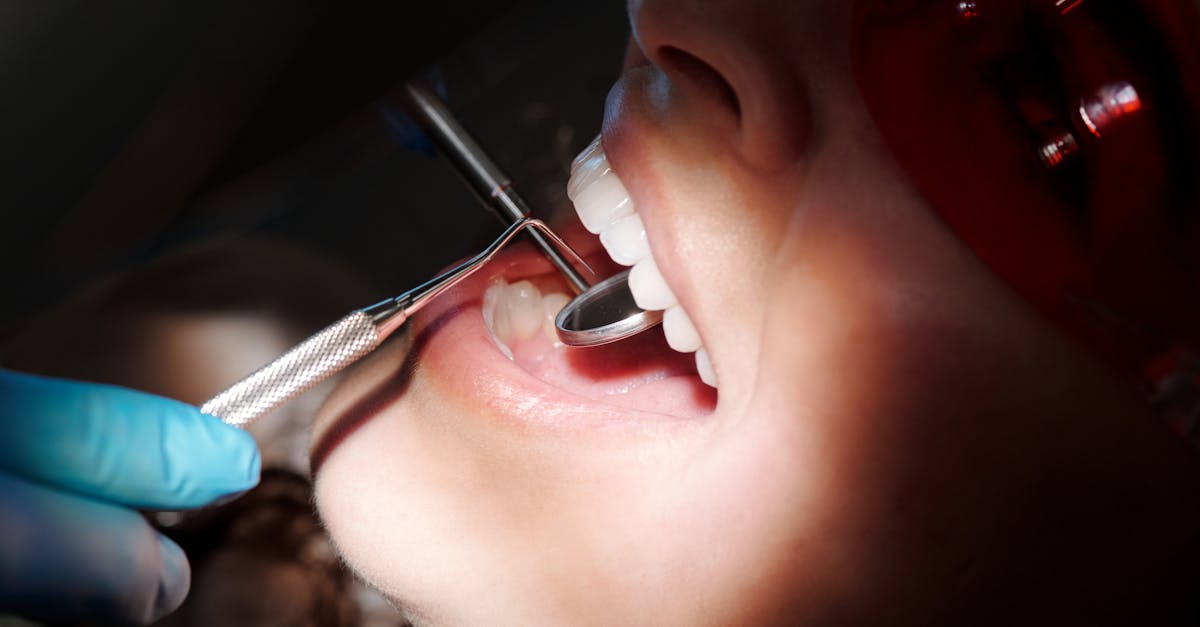
Dental Units on Wheels
Table Of Contents
Dental Units on Wheels
In recent years, the demand for efficient and flexible dental care solutions has significantly increased, leading to the rise of innovative offerings in the dental market. Among these innovations, one of the First Products Dental Carts stands out, allowing practitioners to deliver care in a variety of settings, including schools, nursing homes, and remote areas. These carts are designed to provide all necessary tools and equipment for dentists on the go, ensuring that patients receive high-quality care regardless of location.
The versatility and convenience of dental carts for mobile use have made them an essential resource for modern dental practices. The first products dental carts not only enhance the accessibility of dental services but also streamline the workflow for dental professionals. With portable dental carts, practitioners can effectively navigate different environments and maintain a high standard of hygiene and care, making these mobile dental units a revolutionary advancement in the field of dentistry.
Financial Savings of Portable Oral Systems
Portable dental carts deliver substantial cost advantages in dental offices. Through utilizing these streamlined units, clinics can decrease overhead costs associated with traditional dental setups. Portable units allow in adaptability in service delivery, enabling providers to bring care directly to patients, consequently minimizing the need for expensive office space and equipment.
Another savings of transportable dental carts is the ability to enhance productivity. Practitioners can serve more patients in a shorter amount of time, leading to higher revenue potential. Furthermore, such systems often require lower initial investments compared to traditional setups, which can additionally boost overall financial savings. Through cutting operating costs while upholding quality care, transportable dental systems represent a smart choice for modern dental practices.
Analyzing the Impact on Cost of Mobile Teeth Units
Mobile dental carts bring substantial advantages in modern dental practices. Analyzing the return on investment involves considering factors such as enhanced accessibility and client satisfaction. These types of carts enable dental professionals to access patients in various locations, minimizing overhead costs associated with traditional office settings. Furthermore, the mobility provided by these carts can lead to greater patient outcomes and increased revenue streams.
Within the context of understanding the return on investment, it is essential to look at the initial costs and long-term benefits provided by transportable dental carts. Although the purchase price may seem high, the potential for expanding a practice’s reach and boosting service delivery can warrant this investment. Additionally, transportable carts can cut back on the need for extensive office space and related expenses. At the conclusion, a thorough evaluation of these factors can help dental practices make informed decisions about integrating transportable solutions into their service offerings.
Educating Professionals for Mobile Dental Unit Use
Educating staff for mobile dental unit operation is essential for ensuring successful integration into practice. The effective training program should emphasize on familiarizing staff with the equipment and techniques necessary for maneuvering these systems. Interactive training sessions can boost skills while providing valuable experience in a controlled environment. In-field simulations can also ready staff to handle multiple scenarios they may encounter in the field.
Additionally, ongoing education is crucial to keep staff updated on the latest techniques and standards in mobile dental care. Regular workshops and refresher courses can assist employees to stay informed and continue improving their proficiencies. Utilizing feedback from professionals during these training sessions can provide insight into areas needing further attention or development. By investing in quality training and education, organizations can ensure that their mobile dental unit is utilized effectively, leading to improved patient care and outcomes.
Best Practices for Preparing Dental Staff
Preparing dental teams is vital for the success of mobile dental carts. Adopting hands-on learning sessions can boost the capabilities of staff members. Integrating real-life scenarios during training allows learners to acquire valuable knowledge. Employing instructional tools and engaging activities can further support learning and retention.
Creating a structured training program is an additional key aspect to include. Ongoing assessments and feedback loops enable educators to recognize areas for enhancement among team members. Encouraging a environment of continuous learning guarantees that staff remain updated about the latest practices in mobile dentistry. Networking with other dental professionals and participating in workshops or seminars can additionally deliver meaningful insights into effective training strategies.
The Evolution of Portable Oral Units
Portable dental carts are a crucial component in today's dental care. These advanced systems facilitate dental professionals to provide services in various locations, improving access to care for patients. The developments reflect a growing emphasis on patient-centered approaches, making it easier for dentists to reach underserved populations.
In light of the innovations in technology, emerging mobile dental carts are expected to become even more advanced. Functions such as digital imaging and integrated patient management systems will boost the efficiency and effectiveness of dental care. Additionally, the layout of these transportable units will likely prioritize user-friendliness and transportability. This evolution in mobile dental carts signifies a transformative shift in how dental services are administered, ultimately benefiting both providers and patients.
Predictions on How Portable Oral Carts Will Evolve
The mobile dental units can be predicted to change alongside advancements in technology. Integration of smart features such as telehealth will most likely boost the performance of these units. Additionally, adding green components into their design will demonstrate the growing focus on environmental practices in healthcare.
These advances will only aid dental professionals but also improve patient experience. Ease of access will be a significant factor in the progress of mobile dental units, enabling practitioners to serve underserved populations and remote areas. With the integration of intuitive interfaces, clients will be able to engage more smoothly with their dental care providers, leading to better outcomes and overall satisfaction.