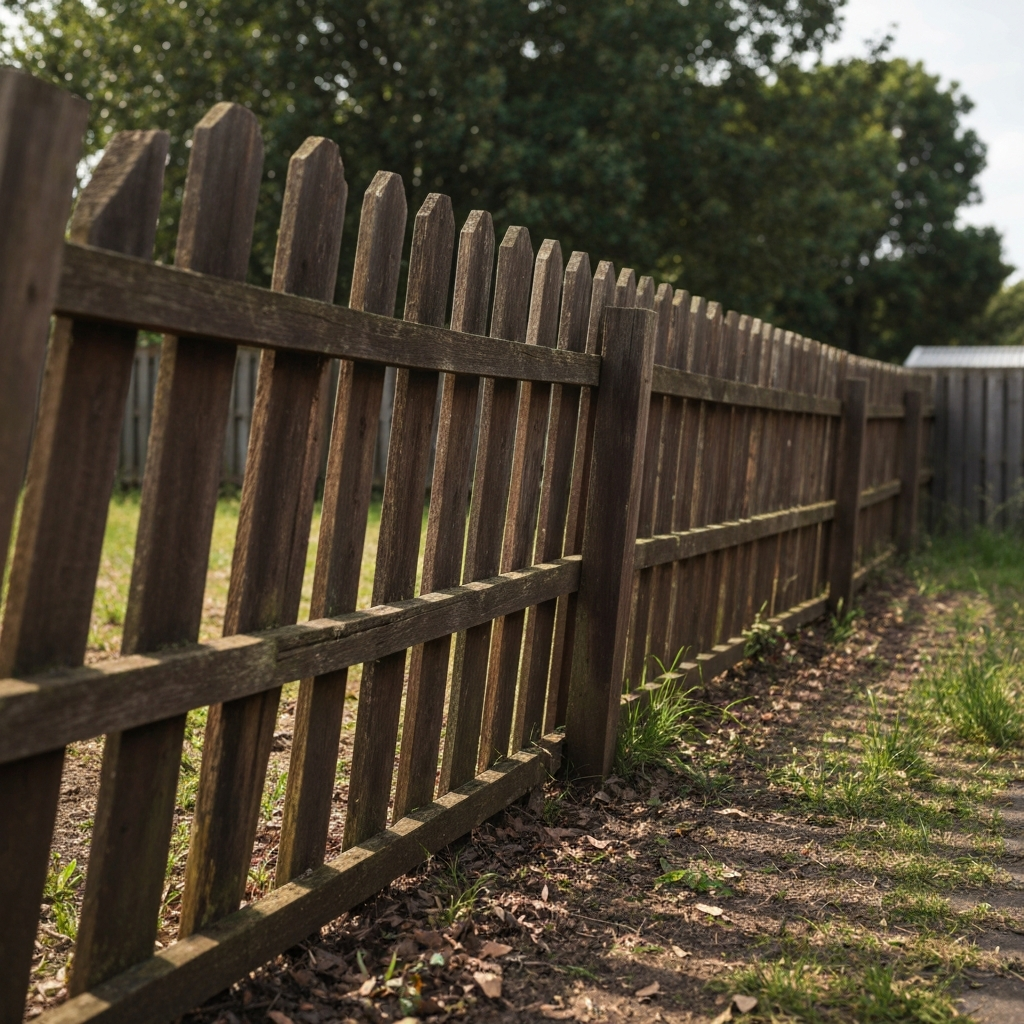
Just How Climate Impacts Fence Setup Top Quality
Fence installation looks uncomplicated when you're enjoying it from the walkway. A few articles, some rails, panels that secure into place, and suddenly the border looks finished. Then the weather reveals up.
Wind, rainfall, warm, moisture, frost, and even the method the sun bakes a surface area can silently make a decision whether a fencing really feels strong in a year or begins to sag, spin, or fall short at the fasteners. In my experience working alongside Fence contractors and Fence company teams, the difference in between a fencing that holds its line and one that requires attention is usually not the materials. It's the timing, the website preparation, and the installer's judgement in genuine weather.
This is a useful guide to how weather condition influences fence setup top quality, what it suggests for Fence installer selections, and the wise actions Fencing contractors Melbourne staffs take when conditions change.
Why weather affects fencings greater than lots of people expect
A fence is not just a barrier. It's a developed system of loads, motion, and accessory factors. Posts take bending. Bed rails take stress and compression. Panels act like sails in wind. Concrete and soil provide the rigidity at the base. Hardwood and metal increase and agreement with temperature level and moisture. Also the "basic" component, like straightening blog posts, is sensitive to ground conditions.
When weather shifts throughout setup, 3 things often tend to happen:
First, the structure can alter faster than the installer can respond. Wet dirt compacts in different ways, and dry soil can be as well loose to hold limited blog post positioning. Second, materials act differently as they get wet, warm, or freeze. Third, teams lose control of timing. If the routine slips due to rain or high winds, the fence can be finished in problems that make later movement much more likely.
I have actually seen fencings installed in exceptional product bundles fail because the job took place in the wrong window. Not drastically incorrect like "panels falling down overnight," yet slowly wrong. That gradual drift is usually just how weather shows up.
Rain: the silent quality awesome for structures and bases
Rain is usually dealt with as a nuisance, something teams can "press with" with added treatment. In some cases that's true for surface work, but foundations are the component that gets one of the most sensitive.
Wet dirt modifications how posts behave
When the ground is saturated, article holes can become unpredictable, especially in clay or blended soils that sag when disrupted. The concrete could be put into an opening that later on falls down slightly. Even a little change at the base can result in visible leaning, particularly with high paling fences or gates.
In practical terms, if an opening is washed out or partially re-filled with water logged dirt, the blog post ends up in a foundation that is much less consistent. Uniformity issues. It's not regarding "stamina" alone, it's about uniformity around the post.
Concrete healing depends upon temperature and moisture
Rain influences concrete treating by changing the water material at the surface area and by keeping the structure also damp for also long. Cement collections via chemical reactions, and those reactions still require proper problems to reach the toughness you expect.
If it's drizzling progressively, installers may wind up adding cover too early or leaving surface areas revealed in a manner that compromises the finished face. On the various other hand, putting right into heavy rain without correct set-up is additionally a problem because you can obtain a watery mix beside the article surround.
Good Fencing installers manage this by monitoring conditions and securing the put. They'll likewise speak with you honestly when the climate is likely to delay cure time.
Slippery ground and placement errors
Rain is likewise an alignment concern. Messages and rails need tidy dimension and secure footing. When the ground is slick, tiny missteps can equate into crooked post lines. A fence may look directly on the day, yet if blog posts were set a little off, panels will certainly draw against that balanced out later.
If you have actually ever before enjoyed a staff utilizing a laser level or string line, you'll see exactly how often they stop, check, and change. In rainfall, that mindful rhythm is harder to maintain, so quality relies on crew experience and pacing.
Wind: not almost safety, it has to do with the physics of installation
Wind is where fencings can get really difficult. Individuals usually assume wind only matters during panel taking care of. In reality, wind affects blog post stability while the openings are open, while rails are being attached, and after the job is partially complete.
Partial fences end up being huge wind loads
A fencing under construction resembles a framework with missing tightness. Panels aren't yet locked into the full system, so the fencing can act like a sail. When a crew is attaching rails to free standing posts, wind can push the framework and force movement before the links set.
If wind is strong sufficient, also temporarily, it can twist articles by a percentage. That twist might be refined at first, yet it ends up being evident once the panels are fully repaired and the system is loaded in multiple directions.
Fasteners and rail straightness
In gusty conditions, it's harder to maintain rails lined up and completely seated. A rail that is a little off can trigger spaces or irregular spacing. Those gaps are sometimes condemned on "panel variation," but the reality is often in the straightness of the line at the time of fixing.
Wind also makes it tougher to manage lengthy products securely. Teams could alter their setup to reduce danger, and those changes can change how accurately the rail is held while fastening.
The practical reasoning point
A good Fence company doesn't chase after "good enough" end results in high wind. Instead, they adjust the timetable or sequence. They could set posts, let them secure, and return for panel setup when conditions are calmer.
That choice is part of quality. A fence contractor's task is not only to install. It's to mount in a way that anticipates movement.
Heat and sun: materials broaden, work reduces, and surfaces can misbehave
Heat has a dual impact. It alters how materials behave, and it changes how long it considers work to be done properly.
Timber and layered metals react to temperature level and drying
With hardwood, extreme heat accelerates drying. That can impact any type of pre-treatment or adhesives used. With metal components, warm can change the method coverings cure and exactly how surface areas bond if you're making use of details fixings.
Metal can additionally expand, and afterwards contract as the day cools down. If rails are dealt with at top temperature level and the system unwinds later on, it can produce anxiety on bolts. With time, that stress and anxiety can add to loosening or misalignment.
For powder-coated or galvanised parts, the finishing sturdiness is typically excellent when mounted properly. The danger is less regarding the finish "melting" and more concerning craftsmanship under thermal anxiety: deformed rails, hurried positionings, and mendings driven in a manner in which later allows movement.
Concrete placement in hot weather
Concrete in warm conditions can set much faster at the surface area. That implies installers have less time to manipulate placement. If the work is hurried because the crew is attempting to end up prior to the day ends, you can wind up with foundation areas that do not settle effectively or with small message movement prior to the concrete locks in.
In scorching weather, quality becomes concerning pacing. The most effective groups reduce sufficient to maintain dimension tight and to permit correct ending up and curing.
Worker tiredness appears in the fencing line
Heat impacts people. Fatigue changes position, grip, and decision-making. I've seen it: when a team is weary, they examine placement less typically, and that's where misaligned lines begin. Climate does not just alter products. It alters the installer's performance.
Humidity and recurring wetness: the corrosion and rot timeline
Humidity is not always significant like rain or wind, however it matters because moisture remains in humid conditions and in shaded areas.
Metal rust at fixings
Fence installments depend on a great deal of small user interfaces: screw heads, braces, rail connections, and signs up with where layer edges can be susceptible. In damp settings, moisture can sit against those user interfaces. If galvanised or coated parts are reduced, drilled, or otherwise breached without sufficient rust protection, you can establish a long-term problem.
This is one reason many fencing contractors Melbourne teams care about just how components are taken care of and where they drill holes. It's also why installers that do high quality job commonly take added care with touch-ups and proper fixings instead of making use of whatever is at hand.
Timber rot danger in shaded, damp spots
Timber fencings are specifically sensitive in areas where water collects, where vegetation holds dampness, or where the ground stays wet after rainfall. If posts are not installed with good clearance and drainage considerations, you can get faster degeneration near the base.
The post base style and dirt call matter. A little improvement in how the article rests and exactly how water moves away can add years to life span. Climate defines the dampness pattern, however installation defines exactly how timber experiences it.
Frost and freeze-thaw: when the ground ends up being the contractor
Frost is an edge case in some areas, yet in cooler seasons it can be the distinction between a fencing that remains real and one that shifts.
Freeze-thaw cycles disrupt foundations
When water in soil freezes, it expands and can raise disturbed ground. If a fencing is installed right before a frost period, the blog post can experience movement as the ground increases and contracts.
If the installation procedure leaves pockets of water around posts or inside the opening, freeze-thaw results can be enhanced. Also in relatively secure ground, timing issues. In my experience, fencings set up with excellent structure deepness and correct concrete placement are much less likely to change than rushed installs.
Moisture entraped at the base
With timber and metal messages, dampness trapped near the base can cause various tensions during freezing. It could not "break" anything promptly, however it can loosen up fixings or promote activity at the ground interface over time.
The installer's feedback issues below. A strong Fence contractor will plan around the period instead of deal with frost days like any kind of other.
Storms and unexpected adjustments: the work that obtains completed "because the rain stopped"
One of one of the most usual top quality concessions happens when the weather breaks briefly. A shower removes, the sunlight appears, and everyone aspires to maintain momentum. Often that's penalty. In some cases it is just how you get a fencing that looks fine on day one and acts badly later.
The danger isn't just the noticeable moisture. It's what's below. Soil can look all right at the surface while still being soft and saturated listed below. Concrete may be put onto a sub-base that is not secure. A crew could set positioning swiftly due to the fact that the ground seems firm, then later, after even more rain, the base shifts.
Weather can be misleading. The appropriate inquiry is not "Is it drizzling now?" It's "Exactly how damp is the soil, and just how stable will it be when the next climate event hits?"
How pros manage weather condition without overcomplicating the job
Good Fence company work is not around waiting on excellent conditions for life. It has to do with selecting reasonable windows and making use of techniques that minimize level of sensitivity to weather swings.
You can often find specialist high quality in the method a Fence installer discuss planning:
They inquire about drain, slope, and nearby plants. They take a look at soil kind. They check if there's a background of flooding in the location. They discuss the treating time for concrete and the time required before hefty wind tons the structure.
Even without hearing all the details, you can see the end results in cautious blog post placement, consistent spacing, and solid entrance procedure. Gates are especially disclosing due to the fact that they call for real geometry. Weather condition can conveniently mess up gate structures if structures or rails relocate while the system is being set.
A useful consider "climate home windows"
On most jobs, the team's decisions come down to timing, sequence, and protection. As an example, you can typically proceed with noting and excavation when rainfall is light and temporary, however stay clear of pouring concrete when rainstorms are imminent. Similarly, you may set up messages on a moderate day and come back on a calmer period for panel accessory if wind is forecast to be high.
This isn't paranoia. It's risk management.
What you can ask a fence contractor on a borderline climate day
If you're working with Fence contractors, you do not require to become a meteorologist. You do need to ask the best concerns so the task isn't "weather condition hurried." Here are some beneficial motivates that highlight whether the Fence contractor is preparing or improvising.
- What's your recommended timeline offered today's rainfall forecast and the next 48 hours?
- How do you shield concrete puts from rinsing and surface area weak point in wet weather?
- What's your method when wind is solid throughout panel or rail installation?
- Do you readjust deepness or post-set technique if dirt is saturated or very soft?
- How long needs to the concrete cure before rails and panels are completely fixed?
A Fence company Melbourne group that provides confident, certain responses is usually experienced with these genuine weather conditions. The very best responses don't sound rehearsed. They mention site factors, like dirt problem and drainage, and they reference treatment and taking care of time.
Trade-offs: waiting expenses money, hurrying costs extra later
There's an actual organization side to weather. Waiting can postpone a work, and that can suggest different labour scheduling or material exposure. Rushing can likewise cause extra prices, yet less noticeable costs, like callbacks for re-straightening, re-fixing loosened panels, changing corroded hardware, or taking care of gate alignment issues.
From a client point of view, it can feel uneasy to pay for hold-ups. But I've watched fencings stop working since a person wanted to end up before a weekend break or since the projection "looked penalty."
One useful mindset is to take into consideration the fence as a long-term project. Climate is not a one-day aggravation. It's the setting your fence is going to live in, so the installation should be aligned with that said reality.
When the weather condition is marginal, the right service is usually not a full stop for every little thing. It's a cautious selection of what can be done safely and appropriately, and what requires to wait.
Concrete, message depth, and why weather condition transforms the "ideal" foundation behaviour
Many individuals concentrate on the fencing layout, the panels, the colour, the style. Weather condition changes how foundation choices ought to be made due to the fact that dirt behaviour changes.
In damp weather, you require security. In hot weather, you require regulated positioning and appropriate combination. In frost durations, you need sufficient depth and right set-up so ground activity has less leverage.
A Fence installer that recognizes soil and weather condition will certainly treat structure placement as the core quality step. They'll take time to get appropriate opening deepness, prevent plunging, and pour with appropriate attention to curing.
If you've ever before seen a message that is somewhat loose at the base, it's rarely an evident error. More frequently, it's a tiny foundation concern that weather amplified.
Materials and weather: various fence kinds, various vulnerabilities
Not all fences react to weather the same way.
- Timber fencings are vulnerable to moisture duration, message base contact, and water drainage. They respect how swiftly surfaces completely dry after rainfall and how water acts around the base.
- Metal fences are at risk at user interfaces, repairings, and covering edges where deterioration can begin. They also care about thermal activity during hot days.
- Mesh or panel systems can be prone to wind tons during installment if panels are partly taken care of or if rails are not straightened tightly.
Fencing specialists Melbourne commonly see a mix of these, since properties vary. Some yards have sheltered yards. Others available to exposed winds. The weather condition effect is site-specific, and a great Fence contractor accounts for that instead of utilizing one method everywhere.
Anecdote from the field: the "clear sky" after a storm
A job I remember included a boundary fencing that required replacement after an old area fell short. Rainfall had been constant overnight, and the day started with haze. By late early morning, the sky looked clear and the ground seemed firm enough to keep working. The team proceeded with excavation and established posts.
They bewared with one thing that numerous crews avoid. They really did not deal with "dry-looking dirt" as steady soil. They checked just how the opening wall surfaces behaved when touched, and they prevented putting into locations that were still soft or slumped. They additionally prepared treating time so posts were not completely loaded up until the concrete had actually established enough to take care of movement.
When the next weather condition front rolled in later on in the week, the fence stayed straight. Not due to the fact that the products were remarkable, however due to the fact that the installment had actually appreciated dirt behavior and treatment time.
That's the real lesson. Climate can resemble it mores than, but dirt typically isn't "over it" yet.
Making climate part of the high quality strategy, not an afterthought
Weather is mosting likely to occur on your fence job. The only question is whether the installation reacts with judgement or ignores it.
When you work with Fence company teams, you want the crew to treat weather as a design constraint. That turns up in careful measurement, proper sequencing, and a focus on post foundations and treatment time. It likewise shows up in communication. If the Fence installer notifications aggravating conditions and advises stopping briefly a pour, that's not a delay for the sake of it, it's safeguarding the fencing line you're paying for.
If you're in Melbourne, or anywhere with quick seasonal changes, it's especially worth choosing a Fence contractor with experience in regional climate patterns. "Excellent materials" and "good design" still matter, but they do not bypass inadequate timing.
When the projection is low, do not seek the least expensive day. Seek one of the most purposeful plan.
Final takeaway: climate doesn't ruin fences, inadequate sequencing does
A fence falls short when the system is forced into activity it had not been planned for. Rainfall softens the foundation. Wind spins an incomplete structure. Warm adjustments just how products rest and worry dealings with. Frost tests whether the base can resist dirt development. Humidity increases deterioration and rot threat at vulnerable interfaces.
The high quality difference you can feel later, the fencing that stays straight and entrance equipment that keeps working, normally originates from mount decisions made during the job, not after it.
Choose Fence contractors that prepare around weather condition, ask the right concerns, and do not treat "practically dry" as the like secure. That's exactly how a fence becomes more than a weekend break job, it comes to be a reliable border that stands up to the climate it was built in.