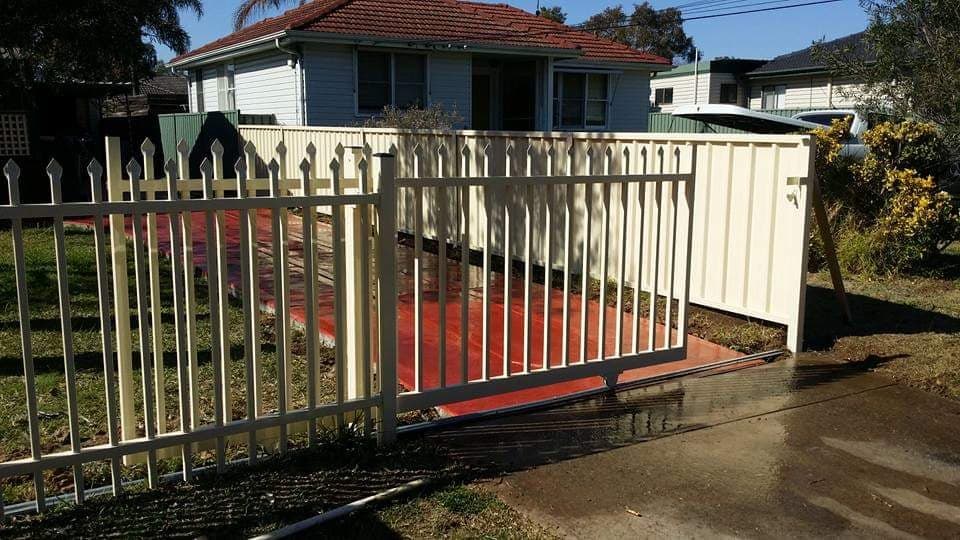
Fence Builders Explain Chain-Link vs. Woven Cable for Animals
Some yards require a fence that festinates. Others need a fencing that wins a wrestling suit with a stubborn canine at 6 a.m. When the customer is a pet dog, the risks alter. The ideal fencing keeps paws secure, purchases peace with next-door neighbors, and conserves you from the sinking feeling of an empty backyard and a missing collar. As Fence builders that live and work in this world each day, we get asked a straightforward inquiry with a lots right responses: chain-link or woven cord for pets?
The sincere reply is, it depends. On your pet's habits, your soil, your wind, your budget, and what you're willing to keep. This guide distills years on job websites and in yards. It covers the real-world trade-offs, the traps home owners miss out on, and the upgrades that actually address problems.
What "chain-link" and "woven cable" truly mean
Chain-link is the diamond-patterned metal textile you see around parks and ballfields. It is machine-knitted cable, typically 11.5 to 9 scale for domestic, put up in between steel posts, tensioned with a top rail, and occasionally a bottom wire. It comes galvanized or vinyl-coated, generally black or environment-friendly. Heights for yards range from 4 feet to 6 feet, in some cases 8 feet where code or pests demand it.
Woven cord is a broader classification. It includes area fencing with finished openings, horse "no-climb" mesh at 2 by 4 inches, and small-mesh choices to 1 by 2 inches. The cables are not welded at appropriate angles. They are wrapped together at each crossway, which allows the textile flex under pressure rather than snapping. Posts can be steel T-posts or pipeline, or treated wood. You can add a leading board, a stress cord, or a lower board. Heights differ from 4 feet to 5 feet for a lot of pet backyards, higher for goats and jumpers.
Both systems are confirmed. Both can stop working if constructed as well light for the animal before them.
Start with the animal, not the fence
We step pet dogs less by breed and even more by actions. A 35-pound blue heeler with springs in his hips is a different job than a 95-pound mastiff that chews like a bolt cutter.
- Climbers and jumpers: Pit blends, heelers, huskies, terriers. Slim mesh assists here because there is absolutely nothing to toe into.
- Diggers and pushers: Labs, shepherds, mastiffs. You need attack resistance at ground degree and excellent anchoring.
- Chewers: Young pet dogs, working types. More powerful gauge cable, fewer protruding ends.
- Cats: A course of their very own. Overhangs and rollers defeat brute strength.
One quick anecdote. We fenced a narrow side lawn for a whippet that could remove 5 feet like a hurdler. The proprietor desired 6-foot chain-link. We recommended 5-foot woven 2 by 4 mesh covered with a 12-inch inward overhang. Week one, the dog tried to climb and located no toe holds. Week 2, he tested the edge. The supported corner held. He lost interest and occupied sunbathing. Mesh selection beat elevation by outmaneuvering his technique.
The case for chain-link around pets
Chain-link victories on tidy lines, visibility, and foreseeable components. Done right, it is tough. The mesh flexes, articles resist racking, and gates hang square. We use it when a customer desires a cool, low-profile fence that withstands big effects and is easy to repair.
Key technological factors that matter in a pet context:
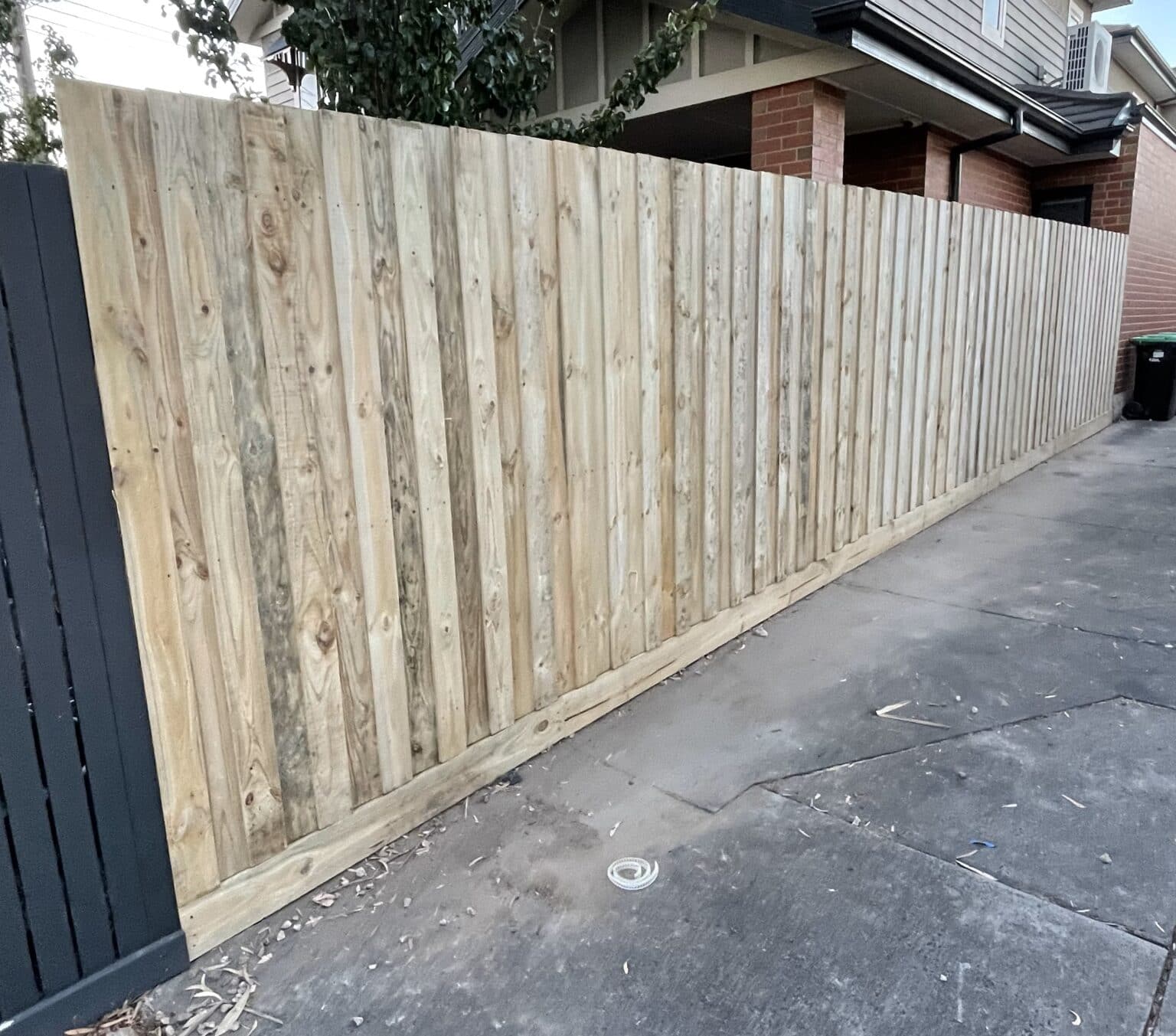
- Gauge and coating. For everyday canines, 11.5 or 11 gauge galvanized is common. For chewers or commercial-grade toughness, 9 gauge galvanized or 9 gauge core with plastic finish is the sweet area. Vinyl includes weather resistance and softens sharpness yet does not strengthen the core cable beyond its gauge.
- Fabric ends. Order knuckled upright leading and bottom for family pet yards. Twisted ends on top can be sharp. We just use barbed selvage when we need to link right into existing security lines away from pets.
- Framework toughness. We like 2-3/8 inch incurable blog posts and 1-5/8 inch line posts for 6-foot runs, spaced 8 to 10 feet apart, evaluated least 30 inches deep or below frost with concrete. A straight top rail defeats loophole caps with tension cable for energetic dogs due to the fact that a rigid rail spreads pressure. Include bottom tension cord to avoid push-out.
- Height and view. Several pet dogs are calmer if they can translucent. Others obtain revved up by foot web traffic and squirrels. If your canine obtains overstimulated, personal privacy slats are tempting, but they act like a ladder for climbers and load the surround high wind. Consider a partial visual break near triggers, not the entire line.
Chain-link also shines on entrances. The hardware magazine is deep. You can hang a 4-foot stroll gateway with a self-closing joint and a mag lock at 54 inches to fulfill pool code and keep clever noses from opening it. Need a 10-foot dual drive for yard devices? No worry. This flexibility is why numerous Fencing Contractors default to chain-link for mixed-use yards.
Where chain-link can fail for family pets is the foothold problem. The diamond pattern is best for a terrier who discovered fencing climbing from the circus. It also hums if mounted without proper tension, which some pets interpret as an individual challenge.
The case for woven cable around pets
Woven wire is the quiet star of control. The 2 by 4 inch "no-climb" equine mesh functions perfectly for canines because it refutes paws a place to dig in. When you push it, it relocates a little, after that pushes back. That springtime avoids the exhaustion fractures that sink bonded wire panels after a few seasons of leaning and snow load.
Important specs to see:
- Mesh spacing. For canines, 2 by 4 inches is the criterion. It blocks paws and muzzles without feeling like a cage. For toy breeds, or for raccoon-heavy locations, you can go 1 by 2 inch at the bottom 24 inches and change as much as 2 by 4.
- Wire gauge. Seek 12.5 scale course 3 galvanized for long life, or 14 scale if budget plan is tight and pressure is reduced. Course 3 galvanization carries roughly three times the zinc of class 1, which matters near salt, fertilizers, or coastal air.
- Post system. Timber or steel both work. On slopes and curves, we brace edges and ends in an H-brace and run a high-tensile leading cable. Line posts at 8 feet really feel stout. At 10 feet, include a stiffener keep between posts in high pressure zones.
- Bottom detail. All-time low of woven wire needs to kiss the ground, not float. We commonly set it an inch right into a shallow trench and backfill. In digger backyards, we add a 12 to 24 inch apron, buried flat inside the lawn. Yard grows through and locks it.
Woven wire's largest visual drawback is rural undertone. Some home owners fear it will resemble pasture. Performed with a black-coated mesh and black messages, do with a simple leading rail or board, it checks out modern-day and calculated. We have actually converted several skeptics with one tidy edge sample.
Where woven cord can misinform is the big-box "welded cord" rolls. Those wires are spot-welded at each going across. Pet dogs who lean, climb up, or chase after tennis balls versus them break welds. Once a couple of welds fall short, the entire panel flaws. Real woven wire is bound, not welded. It sets you back even more and pays you back in years.
The physics of pet dogs vs. Fences
A fence endures by dispersing pressure. We design for three loads: vertical jump, horizontal press, and dig-out. Climbers load the textile high. Pushers fill the center. Diggers leverage all-time low. Wind is the wildcard if you include aesthetic barriers.
- Chain-link manages press lots extremely well, many thanks to the rigid frame and top rail. It requires bottom support for miners and an anti-climb method for toe-happy dogs.
- Woven wire stands up to climbing by rejecting toe holds and flexes without breaking. It depends on a well-braced end system and a limited leading wire to quit drooping under snow or a duplicated shoulder check.
If you take nothing else from this post, remember this: all-time low of the fence is where runs away take place. Chewers target corners and gate voids. Diggers comply with scent lines under bushes. Both systems need thoughtful bottom details, not just pretty tops.
Costs, in straightforward ranges
Every area costs differently. Product grades swing. Labor differs by soil and gain access to. Right here are practical 2026 domestic varieties we see across numerous markets, thinking flat ground and 4 to 6 foot elevations, standard gates, and decent materials:
- Chain-link, galvanized, 11.5 to 9 gauge: approximately 18 to 32 dollars per direct foot installed by a specialist Fence Contractor. Vinyl-coated adds 2 to 6 bucks per foot. Much heavier structures, inclines, and many entrances raise costs.
- Woven cord 2 by 4 inch, 12.5 scale, with steel or timber articles: approximately 14 to 28 dollars per linear foot mounted. Black-coated mesh and pipe articles push that greater. Including a top board or decorative entrance additionally bumps cost.
DIY can cut those numbers if you have time, devices, and perseverance. The largest DIY error we see is underbuilding the corners. Corners take the pull of the entire run. If you support them like a yard risk, you will deal with sag forever.
Fencing Professionals and Fence Installers earn their keep in format, tensioning, and tidy entrances. If you work with, ask your Fence builder regarding post deepness, concrete mix, brace style, cord class, and gate hardware. If they can not address in specifics, maintain shopping.
Chain-link upgrades that matter for pets
A conventional 4-foot chain-link will certainly consist of a mellow gold retriever. It will certainly not stop a bored husky. Here are upgrades that in fact solve issues without transforming the lawn right into a fortress.
- Height and top treatments. If you have jumpers, 5 feet does more than people assume. For chronic climbers, consider prairie wolf rollers or an easy 12-inch inward-leaning panel made from the same fabric as your fencing. Stay clear of leading slats. They help climbers.
- Bottom support. Add a lower tension cable at a minimum. Better yet, a bottom rail. For miners, hide a 12 to 24 inch apron inside the backyard, connected to the fabric. In hot spots like corners, put a narrow ribbon of concrete under the fencing and established the material right into it.
- Fabric gauge. Move to 9 scale for chewers. Vinyl-coated 9 gauge not only looks good but likewise softens the feel under paws and noses.
- Gates. Usage self-closing joints, a latch guard, and a decrease rod on dual entrances. Establish the latch height over nose level. Leave minimal space under eviction. A sweep or angle extension blocks the timeless gate-corner dig.
Chain-link can take misuse. We have backyards on their 2nd canine generation without a solitary stretched diamond since the proprietor bought lower information and heavier scale from day one.
Woven wire upgrades that pay off
Woven wire's best stamina is flexibility. The ideal details make it pet-smart and tidy.
- Top cable and board. A high-tensile leading cord keeps textile tight between messages. A basic 2 by 4 inch top board on wood messages stops riders and safeguards the wire from slimmers. With steel blog posts, a leading rail or pipe cap cleans up the line and adds rigidity near gates.
- Apron and trench. For diggers, the buried apron trick works as well here just like chain-link. We likewise trench the bottom 2 inches and backfill to lock it.
- Corners that do not move. Develop H-braces with treated 4 by 4s or 6 by sixes, double hot-dip galvanized equipment, and correct angled supporting cable. On pipeline edges, weld or clamp a brace with a diagonal.
- Coatings. Class 3 galvanization is the workhorse. For seaside or fertilizer-heavy backyards, think about zinc-aluminum layers or black PVC-coated woven wire for longer life and a modern look.
A last woven cable note. If you enjoy launcher routine, mount a sacrificial ball-catcher panel in the fetch zone. It conserves the textile from a decade of effect in one spot.
Cats, small dogs, and blended households
If you share the yard with pet cats or have a 6-pound Houdini, go tiny on mesh and wise on the top. Chain-link, even at 6 feet, is a ladder for a healthy feline. Woven 2 by 4 jobs better, and adding an inward overhang or roller makes it reasonable. You can retrofit overhangs to existing chain-link by bolting on expansions that hold a 12 to 18 inch panel angled internal at 45 degrees.
For plaything types, the gap under eviction is the usual exit. We add a steel sweep trimmed to grade, or a stone threshold set flush and limited. Additionally examine your fence-to-house tie-in. We have seen Yorkies snake with the triangular at a structure corner where a DIYer left a three-inch gap.
Mixed households make complex choices. An elderly guard and a young mountain climber husky ask various things of a fencing. In those instances, incorporate systems. Usage woven 2 by 4 on the back line where the husky trains, and chain-link on the sides for expense and clean appearance. Connect them with an appropriate terminal post and stress bars rather than wire-twisting one mesh into the other.
Terrain, landscape design, and the genuine yard
Yards are not level. Trees lean right into lines. Roots, rock racks, and lawn sprinkler lines hide where message holes go. Great Fence Contractors walk the residential or commercial property with you and speak via the unpleasant bits.
- Slopes. Chain-link follows quality in panels, which can leave triangulars near the bottom if the incline is steep. Woven cord can be racked along the line and staked tight to the ground, which frequently looks much better on rolling ground. Both can step in tiers, yet stepped fencings create spaces you should block for tiny dogs.
- Trees and hedges. Do not wrap material limited around trunks. Leave development area or construct a small detour panel with articles far enough to enable trunk expansion. Canines discover to pry at bark-to-fabric seams that relocate with wind. That joint requirements taking a breath room.
- Water and snow. If seasonal water runs along the fence line, intend a reduced area with a buried apron as opposed to concrete to let water pass without searching your blog posts. In snow country, chain-link with privacy material becomes a sail. Woven wire drops wind far better and deflects drifts as opposed to holding them.
We have actually pulled out much more stopping working edges grown in soaked shade than any type of other failing type. If your prepared corner sits in a wet pocket, shift the design or spend cash on a larger footing and an actual brace. A fencing is only as strong as its ends.
Neighborhood regulations, looks, and what you will certainly live with
Homeowner organizations and city codes shape alternatives. Many HOAs authorize black vinyl-coated chain-link or black-coated woven wire more readily than silver galvanized. Street-facing runs often have height caps. Ask early. A seasoned Fencing Installer normally understands the local quirks.
Looks matter. Black-coated chain-link fades into landscape design and reviews clean. Woven cord with black layer and steel messages looks tailored, especially with a timber top board or a slim top rail. You can mix products tastefully. One favorite develop utilized black woven cord in Have a peek at this website between black steel articles, topped with a cedar board, and matched to a cedar gate. It maintained a dignified fighter inside and seemed like part of the yard instead of a kennel.
Gates and shifts are worthy of added attention
Gates are where pet dogs check the system. Hinges loosen up, locks sag, and spaces appear. We treat gateways as their own project.
- Use blog posts one size larger for gate articles than for line articles. Set much deeper footings with bell bases if your soil heaves.
- Choose latches that can not be nose-lifted and are operable from both sides. Mount at grown-up breast height. Include a keyed lock if you share an alley.
- For double entrances, make use of drop rods with ground sleeves, not a chain around the bars.
- Where the fence satisfies your house, develop a real incurable with a tension bar and screws into masonry or a tiny post established near the structure. Stuffing material versus house siding welcomes eat and flex.
A clean entrance that turns true and closes each time is the part of the fence you touch daily. It deserves the additional hardware and an early morning of careful layout.
DIY or hire a pro
If you are handy, a 100-foot keep up a single entrance is a weekend or more with a helper. You will need a message hole miner or auger, level, line, fencing puller or come-along, and the persistence to tamp or pour right. The understanding curve lives in corners, stress, and gateways. If any of that wobbles, the remainder of the fence follows.
Hiring a Fence Contractor pays rewards on limited websites, intricate surface, and mixed products. Great Fence Installers bring techniques that only appear after a few thousand feet of material. They understand when to add a mid-span support, just how to prevent a below ground line, and which lock pets can not stand out with an informal head butt. When talking to Fence builders, avoid the fluff and ask for specifics:
- What scale fabric and what coating?
- How deep and broad are your blog post openings in my soil?
- How do you support corners and ends?
- What is your prepare for the lower information versus diggers?
- What gate equipment do you use for self-closing and lock security?
Clear, confident solutions separate specialists from pretenders. Trusted Fence Contractors will certainly also stroll you via warranties on products and craftsmanship, and they will not blink if you request for references you can drive by.
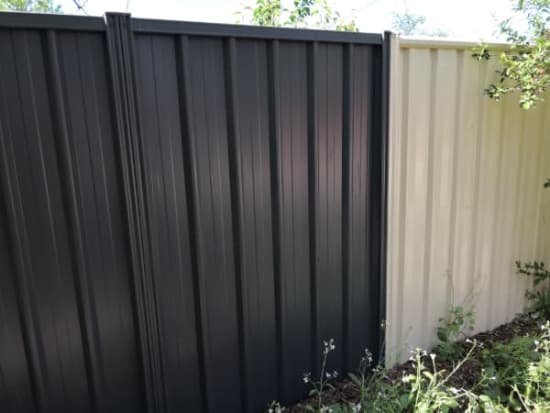
Choosing in between chain-link and woven cord, quickly
Here is the quick decision photo we make use of when a customer requests a straight telephone call without a lengthy tour.
- Pick chain-link if you want a tidy, metropolitan look, solid gates, and a system that handles huge push lots and day-to-day misuse. Allocate heavier gauge, a bottom remedy, and anti-climb if your pet is athletic.
- Pick woven wire if you need anti-climb efficiency out of the box, a fencing that hugs unequal ground, and a softer aesthetic with excellent longevity. Budget for proper edges, a top cable or rail, and a buried apron if you have diggers.
Either system fails if underbuilt. Either system stands out if you match it to the animal and the yard, and if the Fence Installer respects the basics.
A brief preparation checklist from the field
- Measure your canine's ability, not just height. If you have seen them climb a crate or scale a child entrance, plan for anti-climb features.
- Decide on visibility. Tranquil spectator or responsive barker. Your response educates personal privacy selections and wind planning.
- Walk the line. Mark sprinklers, origins, and spots that remain damp. Move corners off wet pockets if possible.
- Choose actual materials. Knotted woven cable over bonded panels. 9 to 11 gauge chain-link over featherweight fabric. Class 3 galvanization where it counts.
- Put cash where it moves. Corners, gateways, bottom details. That is where leaves and failings happen.
A couple of last area notes
- Vinyl slats in chain-link include privacy and weight. In midwestern gusts and winter months tornados, we see much more wind-loading problems on slatted fencings. If you add slats, upgrade blog posts and grounds. Or select targeted privacy just where needed.
- Bottom gaps occur during the initial winter as soil clears up around new concrete. Do a spring walk and backfill little gullies prior to a nose discovers them.
- For rentals and temporary control, we commonly install freestanding chain-link panels, then strengthen the base with sandbags and indoor tethers. Not quite, however it works while you plan permanent work.
- If you run undetectable fence collars, do not think they substitute for a physical obstacle. We repair too many run away tales after a squirrel sprint or a thunder scare. Usage electronic devices as a training layer inside a real fencing, not the fencing itself.
If you desire a fencing that stands up to a life time of zoomies and sunlight snoozes, build for the pet before you. A skilled Fencing Contractor or Fence Installer will aid you consider appearances versus feature, price against longevity, and select the best mesh for the task. Chain-link or woven cable can both be the best answer. The winning fencing is the one that turns your lawn right into a safe, predictable location where your pet dog can be exactly who they are, without starring in a neighborhood search party.