
API quota exceeded. You can make 500 requests per day.
Tall fencings and obstacles are a various game from the common backyard work. When elevation increases, so do the forces on every component: wind pressure, post pull-out, fencing panel warping, and the wear pattern on entrances. The margin for error shrinks. You can feel it in the distinction between a fence that holds steady for many years and one that develops loosened hardware, leaning blog posts, or rattling panels after the very first severe storm.
If you are trying to choose the most effective fencing installers, particularly for tall boundaries, personal privacy screens, driveways, or security barriers, you desire greater than an attractive finish. You want installers that develop for load, drain, and long-lasting maintenance. Below is just how I take a look at it in the field, including what to ask, what to evaluate, and where installers typically cut corners when the job obtains "large."
Why high fencings stop working in foreseeable ways
Most issues with high fencings do not show up in the very first month. They sneak in. A couple of weeks after installation, the fencing may look excellent, yet wood can dry unevenly, concrete can cure differently in shaded versus bright places, and fasteners can loosen slightly as materials settle. After that wind stacks up with time, and the powerlessness come to be obvious.
The most typical failure settings are surprisingly consistent:
Posts that are too shallow or too slim for the elevation and soil. Even a solid fencing can gradually tilt if the foundation can not resist bending and uplift forces.
Bracing that is missing out on or underbuilt. Individuals notice the fencing panels, but it is the back structure, the tensioning points, and the bracing approach that keep tall runs straight.
Gaps and imbalance that enable "wind sail" behavior. Tall, uninterrupted surfaces capture wind best iron fence contractors and imitate a sail. Tiny voids can reduce pressure, however only if the layout make up it, not if it's just careless assembly.
Hardware that is not matched to the atmosphere. Coastal air, heavy rainfall, or winter road salt can speed up rust. If hardware is not effectively rated, you will see corrosion touches and dynamic loosening.
Gate arrangements that are not designed for weight and torque. Gates concentrate forces at hinges, latches, and article reinforcement. A high entrance on slim articles is requesting sag.
The best fencing contractors treat these as engineering problems, not simply carpentry problems.
The genuine distinction between a "tall fencing" and a "barrier"
An obstacle is usually taller, yet the more vital distinction is intent and risk. A fencing meant mainly for personal privacy could tolerate minor activity if it remains upright. A barrier indicated for protection, crowd control, or separating harmful access points should hold its line under stress.
In useful terms, installers ought to do greater than mount fence boards or panels. They should consider:
How the fence sits in connection to building lines and view lines
How people will certainly interact with it, specifically at gateways and corners
Whether it needs to resist influence, climbing, or unauthorized access
Whether it should work as a windbreak or an audio barrier
If you are looking for the most effective fencing company, ask exactly how they approach the "why" behind the height. The response will certainly tell you what they build toward.
Start with dimensions that installers ought to not treat casually
Before you contrast quotes, make sure the fundamental website facts are appropriate, since tall fences enhance measurement errors.
Walk the line and verify:
Total run length and specific edge locations
Topography adjustments, also tiny inclines. A fencing on an incline can look straight while still shifting in foundation depth and panel alignment.
Existing blockages that influence installment: mature tree origins, hidden utilities, drainage swales, and older foundations.
The relationship in between your height objective and the offered materials. Numerous installers have preferred panel dimensions. Sometimes the cleanest "high" option implies piling to a specific setup instead of requiring custom cuts that can damage the structure.
On one job I functioned, the client desired a specific height of "ten feet everywhere." The posts were set on irregular grade, and the fence line required boosts at the ends. The customer believed it was a craftsmanship concern until we evaluated the measurement plan and contrasted it to neighborhood code assumptions. In the long run, the fence looked regular because the design appreciated quality adjustments instead of combating them.
Codes, permits, and next-door neighbor limits: taller implies stricter
Rules vary extensively by jurisdiction, but taller fences typically deal with more examination. Lots of areas limit optimal height, require setbacks in certain zones, or impose different height policies based on fencing positioning along streets.
Even if your task appears simple, you must validate:
Where your fencing may be positioned relative to home lines
Whether permits are needed at your elevation and in your zone
How the fencing ought to determine height, usually from quality at a specified point
Whether there are limitations on strong privacy surfaces near streets, as a result of exposure or wind exposure
Also take into consideration how neighboring homes affect sensible end results. If you develop a high strong fence near a shared limit, the wind tons direction and the quality of accessibility for maintenance will matter. A well-installed tall fence can still be a frustration if you can not reach one side for repairs.
Good installers factor in neighborhood truths before they establish posts.
Soil and drain: the foundation story behind the straight line
Tall fencings are just like their post support. That support is not simply "concrete depth." It is also about dirt bearing, freeze-thaw behavior, and drain around the base.
In much heavier clay, articles might not drain well. In sandy soils, the issue might be poor bearing. In either case, drainage issues due to the fact that water modifications soil actions. When water sits near article openings, you can obtain heaving or softening. In freeze-prone climates, that can shift a fencing even if the concrete was poured correctly.
Ask installers just how they take care of:
Post-hole size and form. Broader openings can boost bearing however need more labor.
Concrete use. Some layouts count on concrete around the blog post, others choose a base technique that balances water drainage and stability.
Backfill kind. Changing dug deep into product with crafted fill can considerably affect performance.
Compaction. Tall fencing articles take more load, so compaction is not optional.
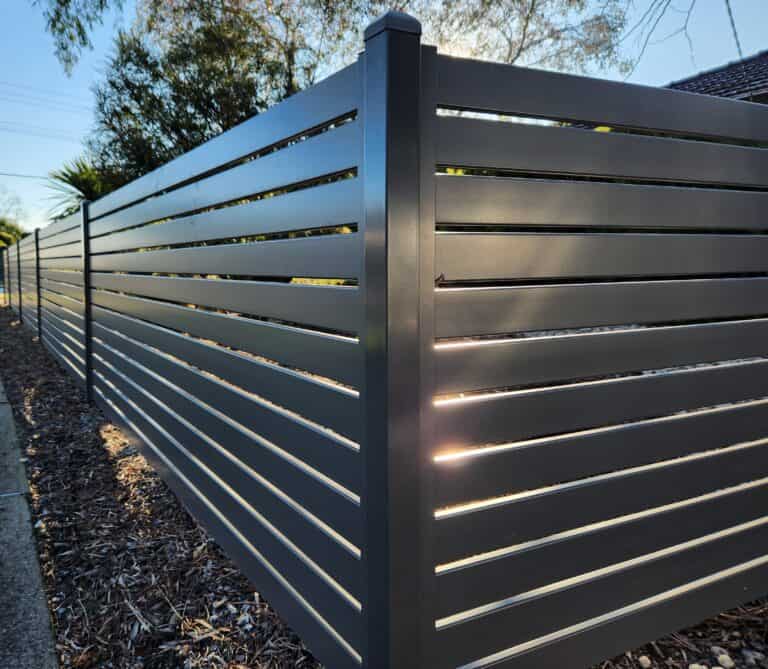
One installer I saw do well on high obstacles used consistent hole dimensions and a determined backfill strategy, then confirmed placement prior to treating set. You can inform they had developed similar jobs prior to. The fence stayed plumb during the first heavy tornado of the season.
Wind load and "sail location" are where great installers earn their money
Wind is the hidden driver of tall fence problems. It is not almost the optimum wind speed. It has to do with just how the fencing captures and networks wind across its surface.
Two fences can both be "8 feet tall," but act really in different ways depending on:
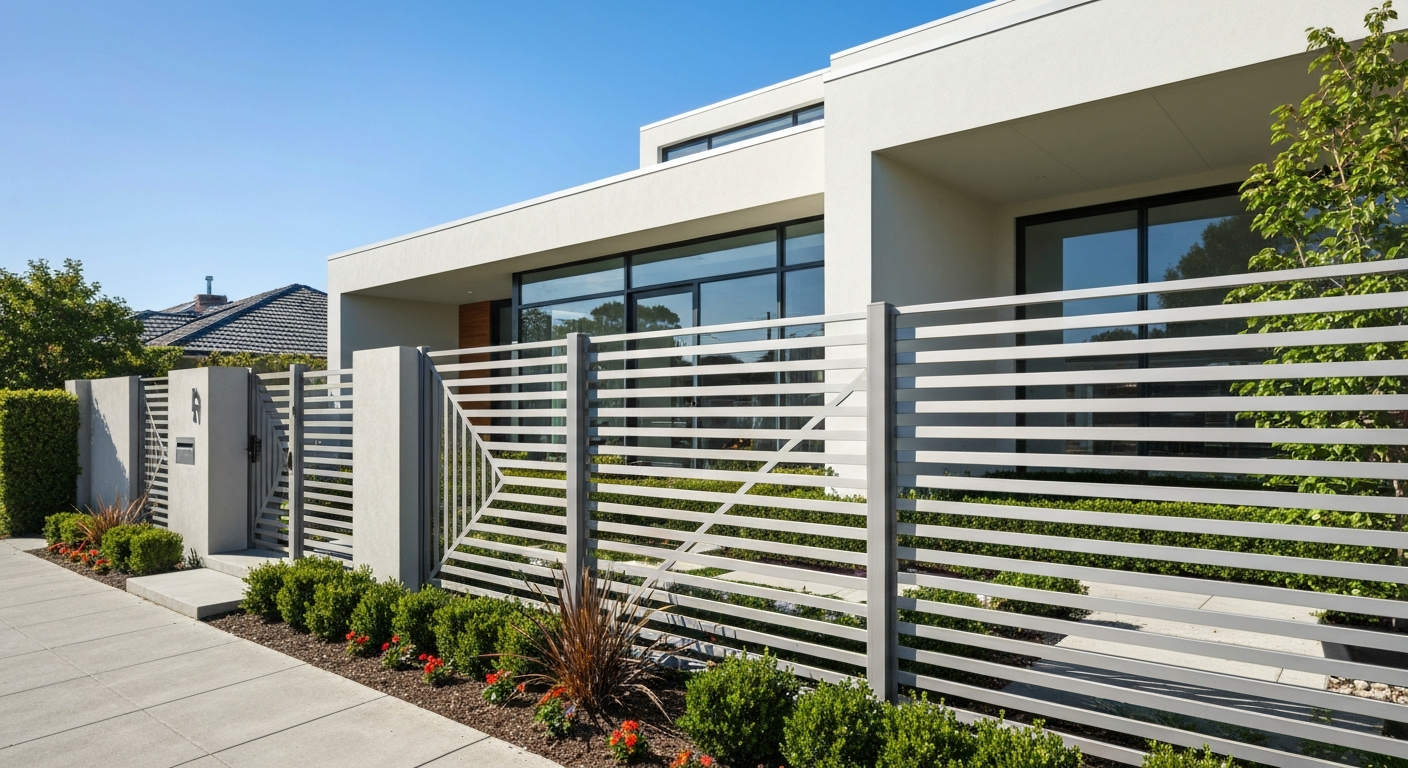
Material. Solid panels develop more pressure than slatted or louvered designs.
Spacing. Very closely spaced pickets can act closer to strong, while larger spacing minimizes pressure.
Fence length. Longer runs create more sail area.
Corner problems. Wind accelerates around corners and can produce twisting forces.
Gate positions. Gates can act like joints for wind-driven motion, particularly if they are not braced.
The best fencing installers make up wind habits with bracing, message spacing, and choice of surface area kind. If an installer talks just about appearances and neglects wind, that is a red flag.
Material choices for elevation, safety and security, and maintenance
Tall fencings normally fall into a couple of groups, and each has staminas and compromises.
Wood personal privacy fences
Wood can look exceptional and can take in minor activity without looking "plastic." But wood high fences are prone to moisture monitoring and periodic upkeep. At higher heights, the risk changes from easy bending to fastener pressure and panel twisting.
If you opt for timber, pay close attention to:
- Species and quality of lumber
- Treatment degree for ground contact
- How the installer prevents water merging around articles and at panel bottoms
- Rail thickness and supporting strategy
Vinyl and composite privacy panels
Vinyl and compound can take care of weather condition well, with much less routine maintenance than timber. The trade-off is that vinyl can increase and get with temperature level swings. At high elevations, growth stress can loosen up parts if the installment leaves sufficient allowances.
Ask exactly how they handle:
- Proper attachment methods
- Post positioning tolerances
- Bracing behind panels
- Gate equipment compatibility
Aluminum and steel fences
Metal fencings are often picked for protection and sturdiness, especially for barriers where long life matters. The best installs are inflexible where they require to be and tuned where adaptability helps. Powder-coated systems can last a very long time, but the information still matter: anchor factors, fastener grade, and just how cut edges are handled.
For high metal fences, demand:
- Correct message sizing for the elevation and spacing
- A solid technique to gateway loads
- Corrosion-resistant hardware, specifically in rough climates
Chain link and protection harmonize barriers
Chain link can be a good high barrier alternative due to the fact that it allows wind with, which reduces sail pressure. Nonetheless, "wind via" does not mean "no force." It still needs proper tensioning, corner bracing, and reinforcement at gates.
If you want the fence to discourage climbing up, you may need additional functions. That changes the tons profile, so installers should adapt the reinforcement plan as opposed to treating it as an aesthetic add-on.
Posts, spacing, and bracing: the mechanical information that matter most
Tall fences do not care that your panels look straight in a picture. They care whether the structure withstands bending.
When you speak to installers, concentrate on these topics in plain language:
Post spacing: Closer spacing can reduce flexing stress and anxiety on rails and panels. Larger spacing can work if messages are more powerful and bracing is durable, but it is not a one-size answer.
Post support: For high runs, reinforcement matters at edges and line posts. Corners frequently take much more anxiety than individuals expect.
Bracing: Angled supporting and rail support keep panels from serving as take advantage of surfaces.
Rail positioning: Rail matter and dimension influence how well the fence stands up to twisting.
Fasteners: The kind, size, and rust ranking influence long-term security. At height, loose bolts can rattle and after that fail.
On one project, a team set up a tall privacy fencing with stunning surface area placement, yet the rail supporting behind the panels was marginal. After a gusty week, a section established a noticeable bow at one third of the elevation. We reconsidered the post spacing, and it turned out the layout presumed lighter lots. The solution called for much more supporting and support, not much more panel modifications. This is why the most effective fencing contractors look beyond the "front face" of the fence.
Gates and joints: where high fencing strength gets tested
If you have any type of entrance bigger than a basic yard door, you need to treat it like a structural element, not an equipment accessory.
Tall entrances introduce:
- Greater weight
- More torque on hinge posts
- Higher wind-driven press and pull
- More anxiety on latches throughout duplicated use
Questions to ask consist of:
- How the installer strengthens hinge sides
- Whether they make use of heavier-duty joints and lock equipment matched to gate size
- How they straighten the structure so the gate does not rack over time
- What they do concerning swing clearance, specifically near slopes or driveways
A high gate can also create a powerlessness if it is not incorporated with supporting. Lots of "practically excellent" setups fall short right here because the rest of the fencing looks fine yet the gate becomes the movement source.
How to identify the difference in between a quote that looks excellent and one that is buildable
When you contrast bids, you are not just comparing dollars. You are contrasting presumptions. Tall fences require stronger materials and even more labor, and some quotes quietly assume various blog post spacing, foundation depth, or supporting strategies.
Look for quality in:
- Post measurements and spacing plan
- Concrete and structure approach
- Material specs, including grades and hardware type
- Rail and supporting structure
- Gate support information, not just the gate design
One indication: "We can do it nonetheless you desire" without talking about just how the website and loads influence the option. Personal preference issues, yet high fencings are constricted by physics. The very best fencing company will discuss why they suggest a particular configuration.
Practical on-site inspection you can do prior to work starts
If you can check out the website during layout, you can capture issues early. High fence concerns frequently start with alignment, spacing, and design choices, long prior to any panels go up.
Here is a short list I make use of to maintain conversations based. If the installer can address these plainly, you are typically in safer territory.
- Confirm post spacing and message dimension for the exact fencing elevation and wind direct exposure
- Show the structure strategy, including concrete plan and drainage factors to consider
- Identify edge and gateway reinforcement information in the layout stage
- Explain how they manage incline and exactly how fencing elevation is measured
- Provide hardware specs or at the very least confirm corrosion-resistant elements
This is where the "best fencing installers" different themselves. They do not simply claim they will certainly "develop it solid." They define the strategy and link it to the site.
Questions to ask installers (that expose skills swiftly)
You desire questions that compel specifics. Avoid vague prompts like "Are you insured?" because that is required yet not sufficient.
Ask about:
- What comparable high fence or barrier work they have developed recently
- How they establish posts for plumb and alignment, and what tolerances they intend for
- What they do when they struck unforeseen dirt problems or roots
- How they manage healing time and construction sequencing
- What guarantee they in fact honor for negotiation, loosened equipment, or warping
A detail that usually tells the truth: exactly how they talk about mistakes. The good crews clarify exactly how they stop concerns, and they can define what they do when something unanticipated appears, like a buried line or a soft pocket of soil.
A quick fact look at service warranties and "life time" language
Many fences come with guarantees, however service warranty terms can be narrow, specifically for high installments where activity can take place due to weather extremes and negotiation. You should deal with warranty language like a map. It matters, but you still drive by what you see on the road.
If a business supplies a solid service warranty, ask what it covers:
- Workmanship versus materials
- Time limits and exclusions for wind events
- Requirements for upkeep, discoloration, or inspections
- How they manage gate equipment and hinges
A professional installer need to not obtain protective regarding these concerns. They ought to be transparent.
Trade-offs you must make a decision prior to installation
Tall fences involve compromises. The "ideal" solution relies on your priorities, not simply the maximum height.
Consider these compromises as decisions you make beforehand:
- Privacy versus wind behavior. Strong surfaces obstruct view, but slatted or louvered alternatives can lower wind pressure.
- Appearance versus maintenance. Timber and some compounds may call for routine care at height.
- Security versus presence. Chain link can consist of personal privacy slats for testing, yet that changes the wind account again.
- Cost versus structure. Paying for better supporting and more powerful posts usually sets you back much less than duplicated repairs.
If you pick a design mainly for appearances however disregard wind pressures, you will likely pay later on. The much better approach is balancing the features you want with the structure that makes those features survive.
Comparing fencing styles for high obstacles (quick, functional view)
Sometimes it helps to compare options in ordinary terms. Below is an easy, experience-based way to think of it.
|Option|Best for|Main watch-outs|Upkeep really feel||-- |-- |-- |--|| Wood privacy|traditional look, great testing|dampness monitoring, bolts, panel turning|moderate, periodic|| Vinyl or composite|low maintenance, tidy look|expansion stress and anxiety, attaching details, supporting|reduced, periodic|| Aluminum/steel security|long service life, tidy lines|corrosion-resistant equipment, appropriate entrance support|low to moderate|| Chain link with enhancements|safety with wind pass-through|tensioning, corner supporting, entrance stress|reduced to moderate|| Louvered or slatted styles|wind decrease with air flow|alignment, surface sturdiness, privacy level|low to modest|
This is not a ranking. For the best site, the "best fencing company" may recommend a lower privacy surface that lasts better due to the fact that it minimizes pressure.
The option process I suggest for hiring the best fence contractors
If you want a strong end result, treat employing like an organized screening, not a quick rate comparison. Tall fences should validate their intricacy with professionalism.
Here is exactly how I would certainly run the procedure:
First, shortlist installers who have experience with tall fencing and obstacle constructs. Do not only look at profile photos. Ask for task information, including the height, the soil problems, and the wind exposure.
Second, demand a created extent of work that includes the mechanical aspects, not just the surface. The created extent must cover posts, bracing, gateway equipment approach, and structure strategy.
Third, timetable a site check out or a minimum of a format testimonial if your site has slope, tough gain access to, or tree roots. Tall jobs endure when staffs presume a "basic backyard."
Fourth, compare quotes of what you are really getting. If one proposal is considerably reduced, ask what architectural selections are various. It could be lighter articles, bigger spacing, less bracing, or very little concrete.
Finally, validate they are insured which they manage permitting where called for. Tall fence work can call for website traffic or neighbor factors to consider depending upon location.
You can end up with a cheaper fencing that looks penalty at first and after that gradually loses toughness. Or you can spend for the structure and enjoy a fencing that stays directly via the gusty months.
A short lived-experience example: the fencing that stayed put
A couple of years back, a client employed a staff to mount an eight-foot privacy fence near an open field. The wind there was not dramatic each day, however it had adequate seasons to penalize weaknesses. The installer explained that the fence would certainly be dealt with like a barrier under wind pressure, and they adjusted message spacing, rail supporting, and the foundation plan to match the exposure.
The initially wintertime was rough, great deals of gusts and motoring rain. The fence did what it was supposed to do. There was no leaning at the ends, no rattling at mid-run, and the gate stayed straightened. What stood apart was how they managed the edges and joint messages. Those were strengthened more than the line articles, due to the fact that the structural tons concentrate there.
That is the difference between a "good fence install" and a "built-to-last obstacle." The finish issues, but the strength strategy makes the surface worth paying for.
Red flags that show up extra with high work
Even excellent teams can have off-days, yet high fencing tasks expose patterns. Beware if you hear any one of the following:
They refuse to go over article spacing or foundation deepness for the intended height.
They reject wind as pointless, or they deal with exposure as a non-issue.
They do not ask about slope, drainage, or dirt type.
They do not address just how gateways will be reinforced or aligned.
They can not discuss what equipment is utilized, especially corrosion-resistant components.
Tall obstacles need judgment. The very best fencing installers speak you through that judgment as opposed to hurrying to close a sale.
Bringing everything together: employing decisions that safeguard your investment
A high fence is just one of those jobs you live with for years. You do not just want it to look right when the crew leaves, you want it to resist activity, dampness damages, and wind-driven tension. When you are looking for the very best fencing contractors, lean on specifics. Listen for their structural strategy: structures matched to dirt, messages sized and spaced for the height, bracing that controls bowing, and gateway hardware that can manage torque.
If you approach the procedure with the ideal inquiries and a readiness to trade a little surface choice for better design, you will get a barrier that takes on weather and time. That is the difference in between a fencing that "holds" and a fencing that performs.
And if your objective is personal privacy, protection, or audio buffering at elevation, the best fencing company will certainly deal with the job like it belongs to the architectural side of your building, not the attractive side.